
Why This Conference?
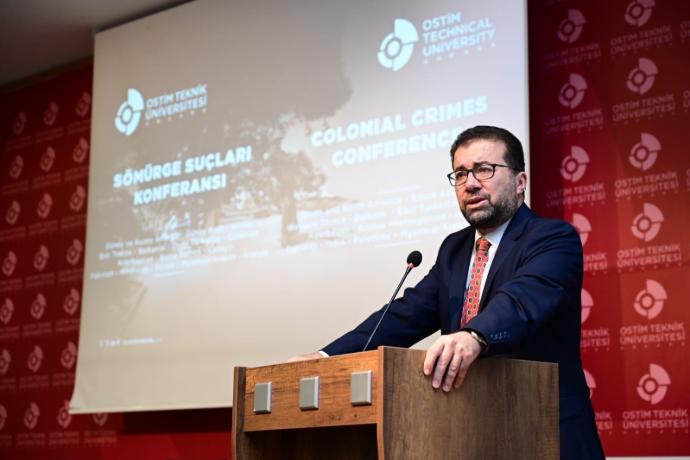
Colonialism, from approximately the 15th century to the 20th century, was a phenomenon that gripped a large part of the world and radically altered the course of human history. The colonial empires established by European powers in the Americas, Africa, Asia, and Oceania permanently transformed not only political boundaries but also the social and ecoColonialism, from approximately the 15th century to the 20th century, was a phenomenon that gripped a large part of the world and radically altered the course of human history. The colonial empires established by European powers in the Americas, Africa, Asia, and Oceania permanently transformed not only political boundaries but also the social and enomic structures of those regions. Unfortunately, this transformation was often accompanied by violence, exploitation, and inhumane practices. Even today, the wounds inflicted by colonialism have not fully healed, because colonial regimes upended the social, economic, and political structures of the societies they targeted, causing traumas that would last for generations. Colonial administrations, with the crimes they committed for their own interests, cost millions of lives, destroyed countless cultural assets, and forced the regions they colonized into a prolonged cycle of dependency.
On the American continent, after European colonialism began in 1492, the Indigenous peoples experienced an unprecedented demographic collapse. Diseases brought from Europe, wars of conquest, and forced labor wiped out about 90% of the native population. Research shows that at the end of the 15th century the Indigenous population was around 60 million, which fell to only 6 million within a century. On the other hand, the African continent witnessed one of the most tragic scenes of colonial crimes. In the transatlantic slave trade, approximately 12 to 13 million Africans were forcibly transported to the Americas to serve the interests of European states. During this journey, over 1 to 2 million people perished aboard the ships, and millions more died during the capture and transport processes. Enslaved people were torn from their homelands and condemned to inhumane conditions, while the societies left behind lost their populations and productive capacity. In addition, the forced rubber collection regime in King Leopold II’s personal colony of the Congo is remembered for mass punishments and massacres. According to colonial era records, the Congolese population declined by millions during this period, and modern estimates suggest the population loss may have approached 10 million. These atrocities, of which there are dozens or even hundreds of examples, are the clearest proof that colonialism inflicted irreparable human and economic harm on societies.

The dominance of colonial powers in Asia also led to heavy human costs. For example, the British Empire’s colonial administration in India economically exploited the people while creating severe famines and poverty. Comprehensive historical research has revealed that during the period 1881–1920, when British rule was at its peak, colonial policies caused approximately 100 million “excess deaths” in India. This number constitutes one of the largest policy driven mass deaths in a single region in history, and is even greater than the total of the major famines that occurred under various regimes in the 20th century. Under colonial administration, the transfer of agricultural production and resources to the metropole paved the way for millions of people to perish from hunger and disease. As a result, India experienced economic decline during the colonial period, and extreme poverty and low living standards became permanent.
Colonialism did not only cause loss of life; it is also remembered for its policies of systematic cultural destruction. Many colonial administrations suppressed the languages, religions, and traditions of indigenous peoples, imposing cultural assimilation through tools such as missionary activities and compulsory education. For example, the residential school system imposed on Indigenous peoples in Canada aimed to create “model citizens” by separating children from their families and distancing them from their own culture and languages. Such practices are today described as “cultural genocide” by scholars and human rights advocates.
imilarly, in the lands they occupied, colonial powers destroyed religious and cultural artifacts and libraries, or carried them off to Europe. In this context, many nations lost not only their populations and material resources, but also a significant portion of their cultural heritage during the age of colonialism. Colonialism also established an order that made the occupied regions economically dependent. Throughout the colonial period, colonies were used as sources of raw materials and labor; industrialization or self sufficient economic development was largely hindered.
Monoculture agricultural economies and trade structures dependent on external markets were deliberately encouraged by colonial administrations. This led to many former colonies being condemned to fragile economies and unfair global trading conditions even after independence. Indeed, post-colonial neo-colonial relationships and the unequal structures of the global economy continued former colonies’ dependence on the metropoles in new forms. For this reason, the “wounds” caused by colonialism have not been fully healed.
Humanity Transcending Ages: A History of Unaddressed Colonial Crimes


Themes

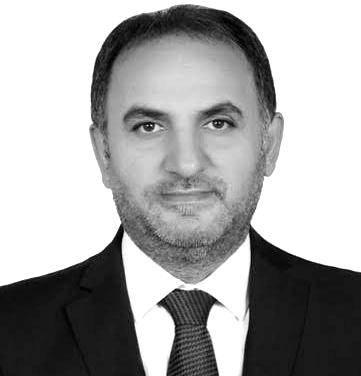
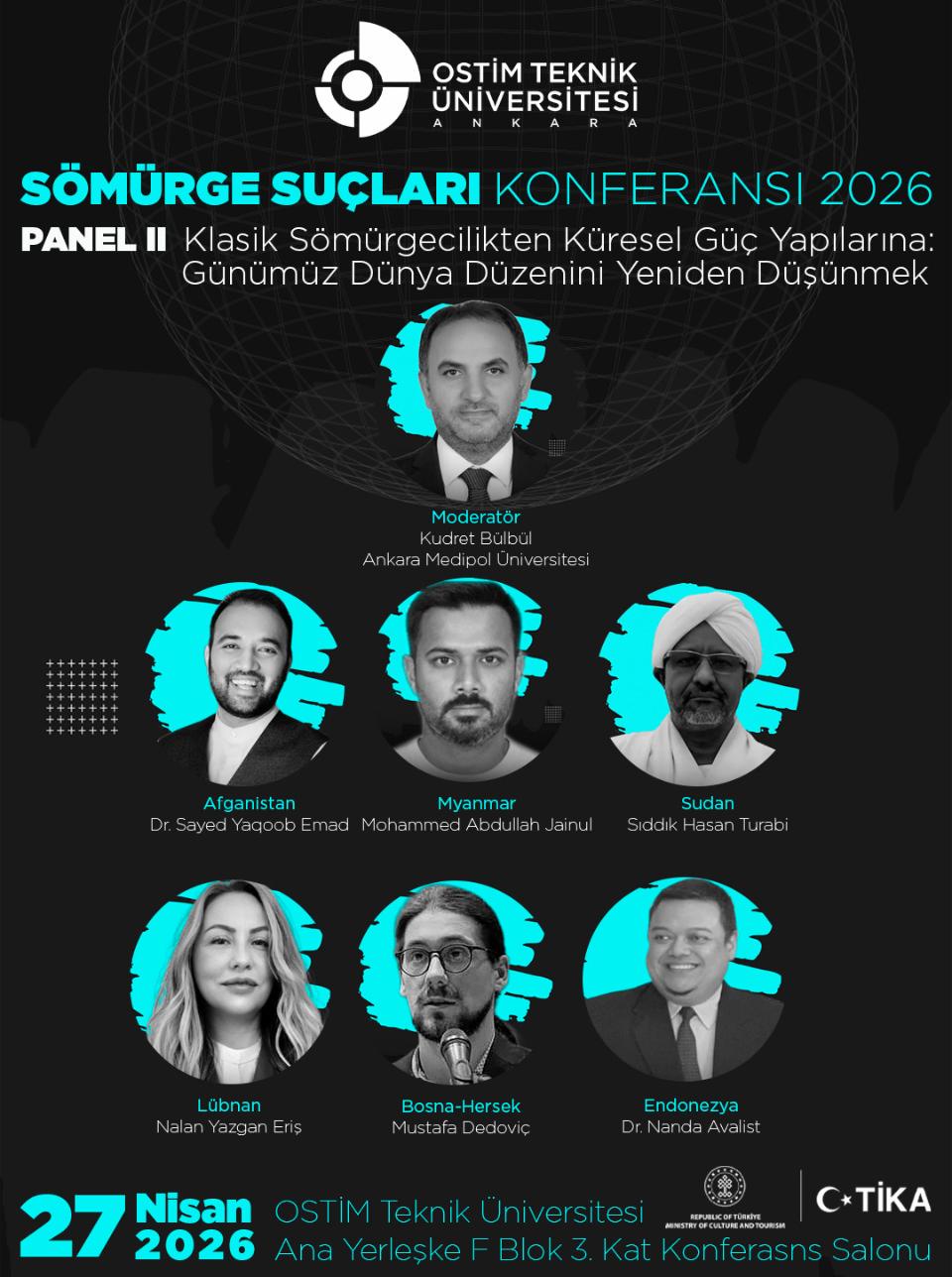
Prof. Dr. Kudret Bülbül
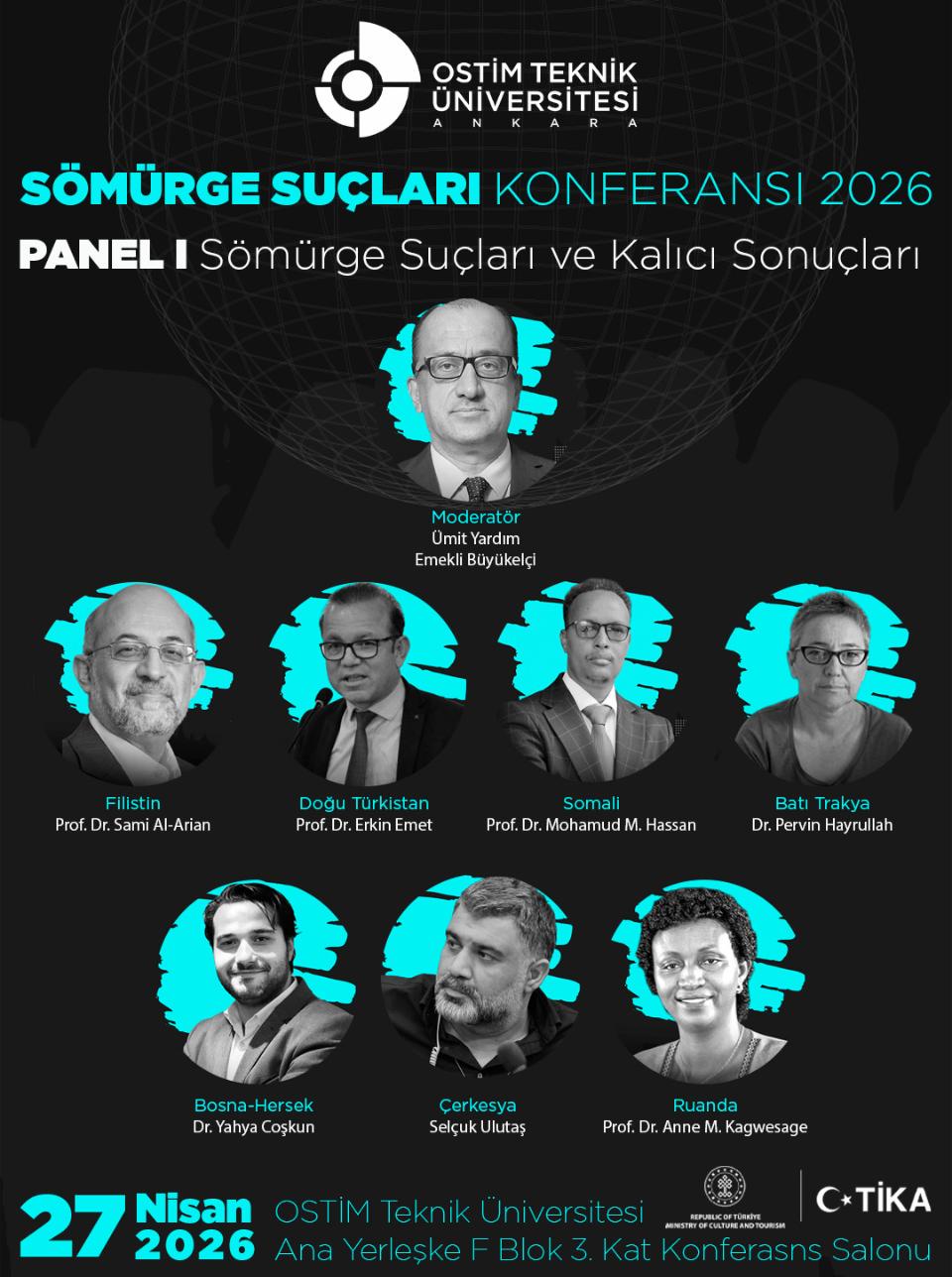
Moderator
Prof. Dr. Kudret Bülbül possesses a strong moderating capability that enables him to bring together diverse disciplines and perspectives within a constructive and balanced framework of discussion, drawing upon his extensive academic background in political science, public administration, and global political transformations. His scholarly work and institutional experience allow for the examination of multilayered issues—such as colonialism, power relations, and the international order—within a context of conceptual clarity and coherence. His approach as a moderator is characterized by an ability to steer discussions away from ideological polarization, to interconnect the contributions of speakers, and to provide the audience with a structured analytical framework. In this respect, Prof. Dr. Bülbül assumes a role that enhances both the academic rigor of the panel and its public intelligibility.
His contribution as a moderator is expected to make a significant impact on the overall quality of the conference by ensuring thematic and conceptual coherence among the speakers, guiding the discussion in a balanced manner in line with academic objectives, facilitating the fair and constructive expression of diverse viewpoints, and bringing the panel proceedings to a well-structured and substantive conclusion.

Ümit Yardım
Moderator
Ümit Yardım, with his extensive diplomatic experience and expertise in foreign policy, possesses a strong moderating capability that enables the nuanced handling of multilayered issues such as colonialism, international law, and global power relations within a framework of balance, contextual awareness, and diplomatic sensitivity. His ability to bring together speakers from diverse geographical and disciplinary backgrounds onto a common platform of discussion supports the effective conduct of the panel at both academic and public levels. His approach as a moderator is grounded in a facilitative understanding that avoids polemics, interlinks the contributions of speakers, and provides the audience with a coherent analytical framework. In this respect, Ümit Yardım assumes a role that strengthens the international dimension of the panel and enables the fair, constructive, and balanced articulation of diverse perspectives.
His contribution as a moderator is expected to significantly enhance the overall quality of the conference by ensuring thematic and conceptual coherence among the speakers, managing the discussion in a balanced manner with due diplomatic and academic sensitivity, enabling the constructive representation of diverse viewpoints, and bringing the panel proceedings to a well-organized and substantive conclusion.

Prof. Dr. Erkin Emet
Prof. Dr. Erkin Emet is a scholar known for his work on the historical experience of the Uyghur people, the state policies of the People’s Republic of China in the Xinjiang (East Turkestan) region, and practices of modern colonialism. His research moves beyond classical colonialism literature by examining forms of internal colonialism, assimilation, and cultural erasure in the 21st century within a historical and legal framework. In particular, Prof. Dr. Emet analyzes the policies implemented by the People’s Republic of China in East Turkestan in terms of demographic engineering, forced migration, the systematic destruction of cultural heritage, and collective rights violations. He is distinguished by his contributions that situate these practices within the broader literature on colonial crimes, cultural genocide, and crimes against humanity.
His contribution to the conference is expected to;
His contribution to the conference is expected to provide a substantive enhancement to its approach of addressing colonial crimes not only as historical phenomena but also as contemporary and ongoing issues. In this regard, his intervention is anticipated to encompass an analysis of modern forms of internal colonialism through the case of East Turkestan; an evaluation of cultural and linguistic assimilation within the frameworks of international law and human rights; an examination of forced migration, internment camps, and practices of collective punishment in relation to the literature on colonial crimes; and a critical assessment of the silence of the United Nations and the broader international community within the context of global power dynamics.

Prof. Dr. Nevzat Tarhan
Video Conference
Drawing on his expertise in social trauma, collective memory, and intergenerational psychological transmission, he offers a perspective capable of analyzing the Khojaly events not only as a historical occurrence but also in terms of their long-term psychosocial impacts. His contribution is expected to strengthen the psychological and humanitarian dimensions of the conference by addressing the enduring effects of mass violence on individuals and societies, as well as the relationship between trauma, cultural memory, and identity formation.
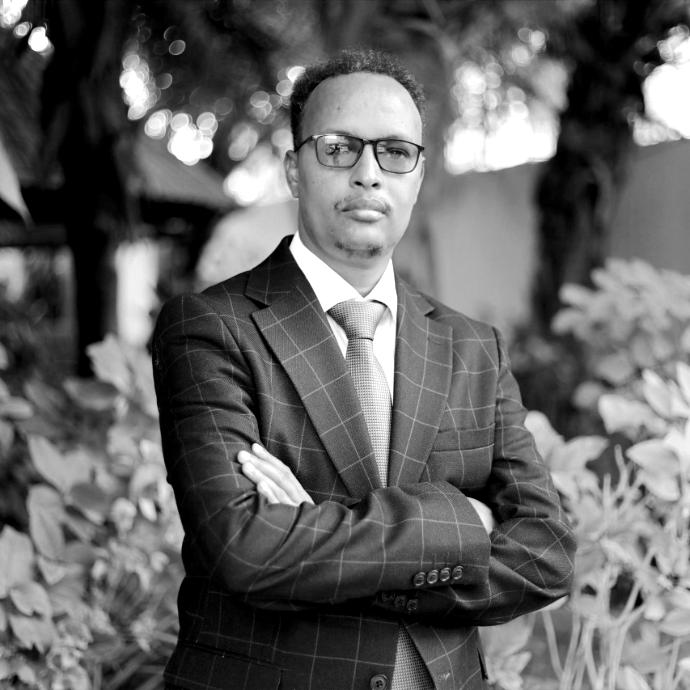
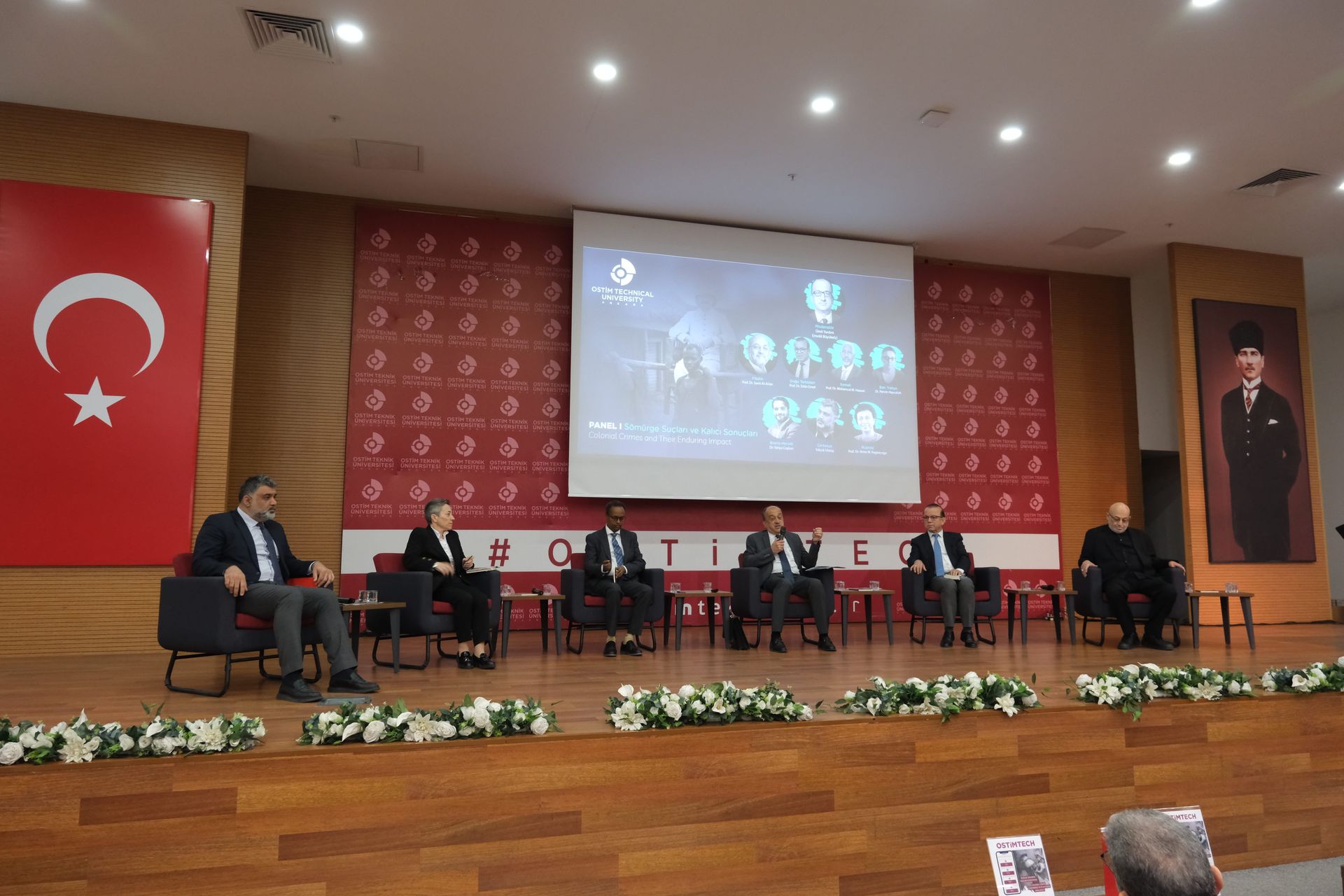
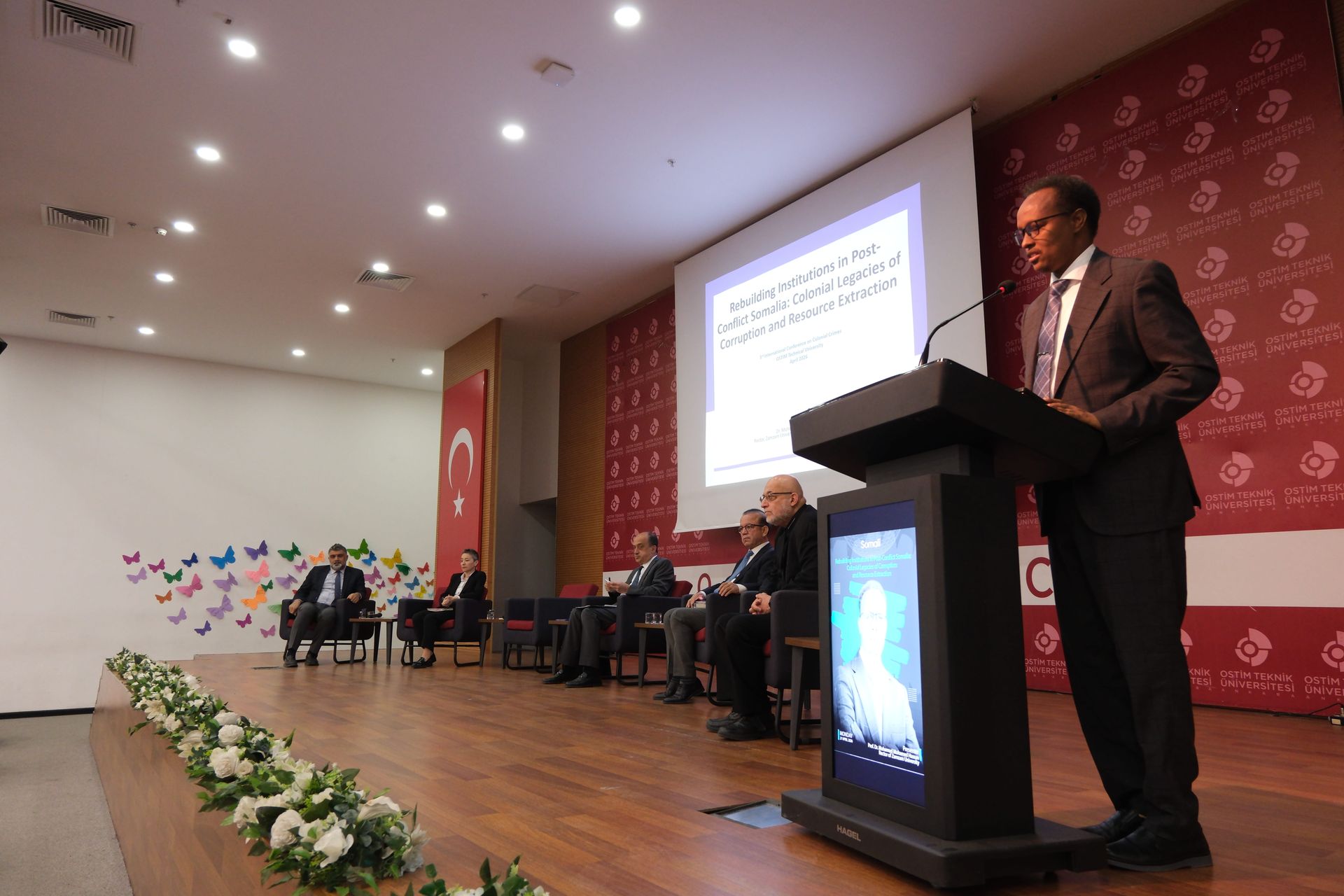
Prof. Dr. Mohamud Mohamed Hassan
Mohamud Mohamed Hassan (Harbi) is a researcher and human rights advocate whose work focuses on Somalia’s post-colonial historical experience, prolonged external interventions, and the structural impacts of state collapse on society. Rather than explaining political instability in Somalia solely through internal dynamics, his research situates it within the broader contexts of colonial legacy, neo-colonial interventions, and proxy warfare, thereby aiming to render visible the contemporary manifestations of colonial crimes. Harbi’s approach places particular emphasis on the failure to protect civilian populations, forced displacement, the persistence of humanitarian crises, and intergenerational trauma. Through the case of Somalia, he critically examines how international interventions in post-colonial societies generate enduring vulnerabilities and why mechanisms of justice often fail to function effectively. His contribution to the conference is expected to provide a significant perspective on the continuity and contemporary relevance of colonial crimes in the African context, addressing themes such as the relationship between colonial legacy and state collapse in Somalia; the structural effects of external interventions, armed conflicts, and their impact on civilian populations; forced migration, humanitarian crises, and intergenerational trauma; and the contemporary manifestations of colonial crimes in the Horn of Africa.

Prof. Dr. Anne Marie Kagwesage
Rwanda University

Dr. Ahmet Recai Tekin
Ahmet Recai Tekin possesses a moderating capability that enables him to bring together contributions from diverse disciplines and geographical contexts within a shared intellectual framework, grounded in his critical approach to colonialism, global inequalities, and contemporary power relations. His ability to address complex issues without reducing them to ideological polarization—while maintaining conceptual clarity, historical contextualization, and ethical responsibility—facilitates the conduct of panel discussions in a balanced and in-depth manner. His contribution as a moderator is expected to enhance the overall quality of the conference by ensuring conceptual and thematic coherence among the speakers, sustaining the discussion within an analytical framework without devolving into polemics, enabling the fair and constructive representation of diverse perspectives, and guiding the panel in alignment with its academic and intellectual objectives.

Dr. Sayed Yaqoob Emad
He examines the evolving political dynamics of Islamic charitable organizations in Afghanistan. In particular, he analyzes the influence of Jamiat-e Islah, the country’s largest Islamic aid organization, in the spheres of education, politics, and social life, and interrogates how these interventions shape both individual and collective identity formation.
Academic Background: He holds a Master’s degree in Global Politics from Birkbeck, University of London; a Bachelor’s degree in International Relations from Bilkent University in Türkiye; and has completed advanced-level courses at the University of Oxford. He completed his secondary education at the Afghan High School in Kabul.
Language Proficiencies: He is fluent in Dari/Persian, Pashto, English, Turkish, and Urdu; and possesses intermediate reading proficiency in Arabic and German.
Teaching & Research: He serves as a postgraduate teaching associate at SOAS, University of London, contributing to modules such as International Politics of the Middle East and Globalisation and Global Governance. He has also contributed to a comprehensive research project on Afghanistan’s Sikh community in collaboration with scholars from the Universities of Sussex, Copenhagen, and Cambridge.
Civil Society:He is the founder and president of the Global Youth Forum and the Global Afghan Forum, organizations engaged in the fields of education, peacebuilding, and human rights.

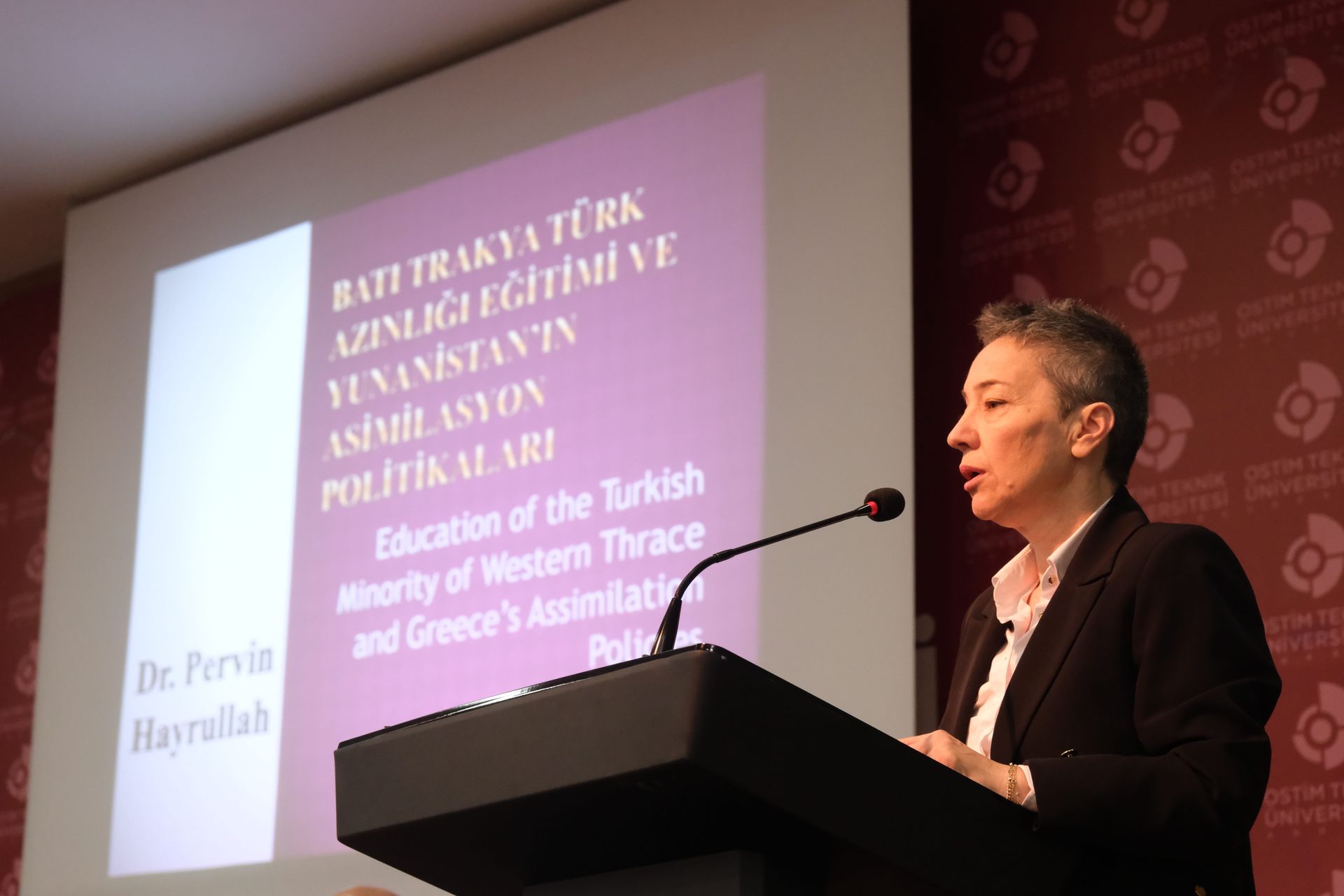
Dr. Pervin Hayrullah
Pervin Hayrullah is a researcher and writer known for her work on the historical experience of the Turks of Western Thrace, minority rights, education policies, and issues of cultural continuity. Her studies, particularly those addressing the political exclusion, educational assimilation, and socio-cultural mechanisms of pressure faced by the Turks of Western Thrace in the aftermath of the Balkan Wars, examine these dynamics within a historical and societal framework, thereby contributing significantly to making visible the colonial and semi-colonial practices in the region. Hayrullah’s scholarship demonstrates that the Turkish minority in Western Thrace should not be approached merely as a “minority issue,” but rather within the broader context of systematic restrictions of rights, cultural domination, and structural inequalities embedded in the process of nation-state formation. Her focus on education policies, language rights, and collective memory provides an important perspective on how colonial forms of control and domination may persist in Europe through “internal minority regimes.”
His contribution to the conference is expected to;
Through the historical and contemporary experience of the Turks of Western Thrace, her contribution is expected to offer a critical analysis of minority regimes in Europe; to examine the use of education policies as instruments of assimilation and cultural erasure; to address issues of collective memory, identity, and intergenerational transmission; and to evaluate the responsibilities of international law, minority rights frameworks, and European institutions. In doing so, she is anticipated to present an intra-European case demonstrating that colonial crimes are not confined to overseas geographies.

Dr. Nanda Avalist
Nanda Avalist is a researcher known for her work on historical memory, structural inequalities, and forms of cultural domination in post-colonial societies. Particularly within the context of Southeast Asia, her studies examine the enduring impact of classical colonial governance practices on contemporary political and social structures, thereby contributing significantly to the understanding of colonial crimes as not merely historical phenomena but as ongoing processes. Her contribution to the conference is expected to offer a comprehensive and interdisciplinary perspective by addressing the analysis of historical justice and collective memory in post-colonial states; the ways in which colonial crimes are reproduced through cultural, economic, and institutional structures; issues concerning indigenous communities, identity politics, and epistemic injustices; and a comparative global reading of colonial crimes through the Asia-Pacific experience.

Mohammed Abdullah Jainul
Mohammed Abdullah Jainul is a Rohingya researcher with extensive field experience in humanitarian contexts. He completed his master’s degree with distinction in Health Policy and Global Health at Ankara Yıldırım Beyazıt University, where his thesis examined access to healthcare services for individuals with chronic diseases in Rohingya refugee camps in Bangladesh.
Within the scope of his extensive fieldwork in the refugee camps of Cox’s Bazar, he has conducted both qualitative and quantitative research on access to healthcare services, perceptions of justice, community participation, forced displacement, and intra-camp social dynamics. In projects carried out in collaboration with the International Organization for Migration (IOM), Legal Action Worldwide (LAW), and the National University of Singapore (NUS), he has taken an active role in research design, the training of field teams, the supervision of data collection processes, and the stages of data analysis.
His contribution to the conference is expected to provide an empirically grounded, insider, and experience-based perspective through the case of the Rohingya. In this regard, he is anticipated to address the impact of forced displacement on health, justice, and social structures; the structural dimensions of barriers to healthcare access in refugee camps; perceptions of justice and the limitations of accountability mechanisms within displaced communities; and the relationship between humanitarian interventions and broader social and political dynamics. He is also expected to examine the continuity of colonial violence and exclusion within contemporary refugee regimes. Jainul’s work contributes to the thematic coherence of the conference by framing the Rohingya issue not merely as a humanitarian crisis, but within the broader contexts of historical marginalization, structural inequality, and rights-based approaches.

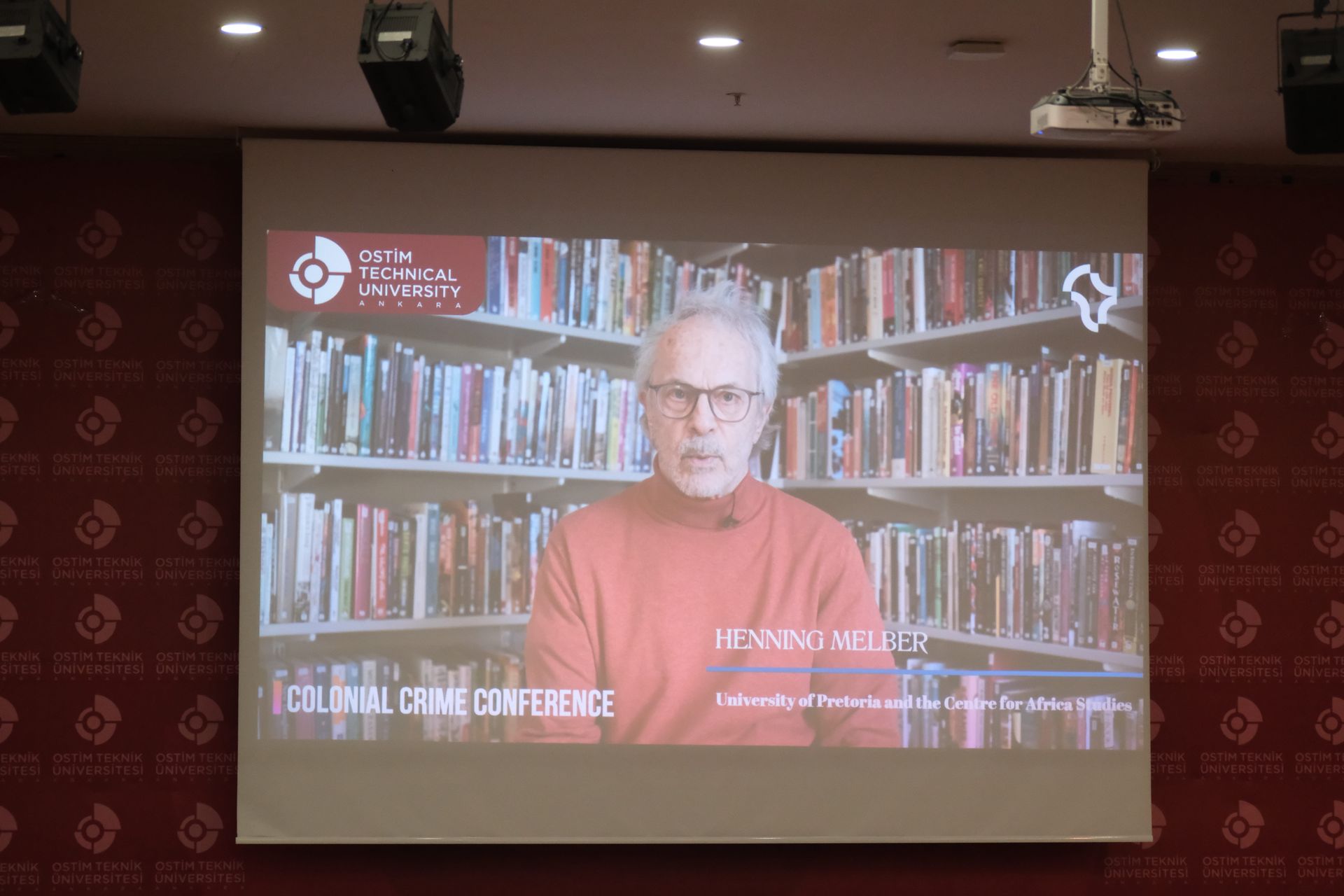
Prof. Dr. Henning Melber
Video Conference
Henning Melber is an internationally respected political scientist and postcolonial theorist, known for his pioneering work on German colonialism in Namibia and the genocide committed against the Herero and Nama peoples between 1904 and 1908. His scholarly contributions approach German colonial violence not merely as a historical phenomenon, but as a constitutive element of modern European political culture, its racial hierarchies, and its regimes of violence.
Melber’s work critically examines Germany’s process of confronting the genocide, analyzing it within the frameworks of memory politics, delayed and limited apology discourses, debates over reparations, and strategies aimed at avoiding legal responsibility. In this respect, his scholarship offers a robust framework for understanding how colonial crimes should be addressed not only from the perspective of victimized societies, but also in terms of historiography and political responsibility within perpetrator societies.
Having served for many years within the United Nations and various international research institutions, Melber brings together academic scholarship and institutional experience to critically engage with the limits and possibilities of addressing colonial crimes within the frameworks of international law, global justice, and reparative processes.
His contribution to the conference as a keynote speaker is expected to;
His keynote contribution to the conference is expected to decisively strengthen its historical, legal, and ethical depth by addressing the historical and structural analysis of German colonialism through the Herero–Nama Genocide; the limits of debates on apology, reparations, and redress in confronting colonial crimes; memory politics and the responsibility of perpetrator societies; and the impact of the colonial legacy on contemporary discussions of global justice.
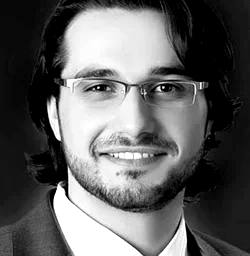
Dr. Yahya Coşkun
Deputy President of the Turkish Cooperation and Coordination Agency (TİKA)
Yahya Coşkun, has borne witness to the Bosnian issue for many years through both his writing and visual documentation, producing an extensive body of work across print and audiovisual media.
Book
• From Bosnia to Beirut: The Western Deception — documents the West’s double standards during the Bosnian War and examines the underlying dynamics behind the genocide.
Documentary Film
• The Bosnia Document — a documentary addressing the Bosnian War and genocide; presented in the capacity of a speaker at the Conference on Colonial Crimes.
Civil Society Membership
• Bosnia Solidarity Group — Active Member
• Writers’ Union of Turkey — Member
• Cihannüma Association — Member
PUBLICATIONS (SELECTED BOOKS)
• Artifacts of Captive Cities: The Smuggling of Antiquities during the Occupation of Anatolia, 1918–1923 (Kronik Kitap, 2024) — adapted from his doctoral dissertation.
• From Bosnia to Beirut: The Western Deception
• Masked History
• The Lost Caliph
• Mavi Marmara: Aborda
MEDIA AND DOCUMENTARY WORKS
He has produced and hosted cultural and arts programs on various television channels and has directed documentaries on historical and social issues. A veteran of the Mavi Marmara, he has actively brought issues related to Palestine, Bosnia, and the Middle East to public attention.
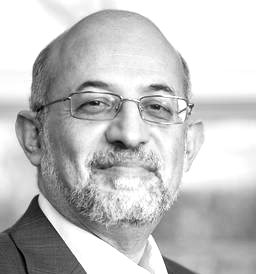
Dr. Sami Al-Arian
Istanbul Sebahattin Zaim University
Sami A. Al-Arian is a professor and founding director of the Center for Islam and Global Affairs (CIGA) at Istanbul Zaim University. He lived in the US for four decades (1975-2015) where he was a tenured academic. Dr. Al-Arian founded numerous institutions and publications in the fields of education, research, religion, interfaith work, advocacy, civil and human rights, Palestine, foreign policy, and international relations. In 2001, Newsweek named him a “premier civil rights activist” in the U.S. for his efforts to repeal the use of secret evidence in immigration courts. In 2012, historians profiled him in the Encyclopedia of American Dissidents as one of only three Muslims in the U.S. among 152 dissidents and prisoners of conscience included over the past century (alongside the legends Malcolm X and Muhammad Ali).
Dr. Al-Arian was a prolific speaker across many U.S. campuses and, since relocating to Türkiye, at venues worldwide. Dr. Al-Arian is also the author of dozens of studies, articles, and books on topics related to Islam and the West, the Islamic Ummah, Islamophobia, civil rights, Palestine, the Arab Spring, the Middle East, and American foreign policy. Since the Israeli genocide in Gaza in 2023, Dr. Al-Arian has been widely featured in programs around the world in multiple languages and has advocated for the dismantling of Zionist structures worldwide based on his theory of the twelve pillars of Israeli imperatives.
TURKISH | PROGRAM AKIŞI / PROGRAM SCHEDULE | ENGLISH |
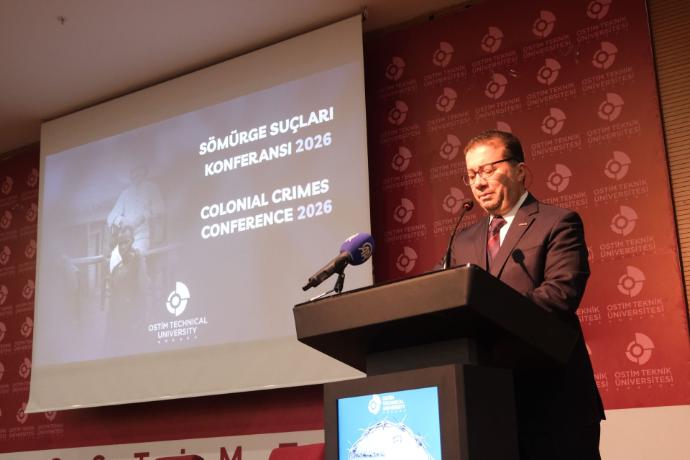
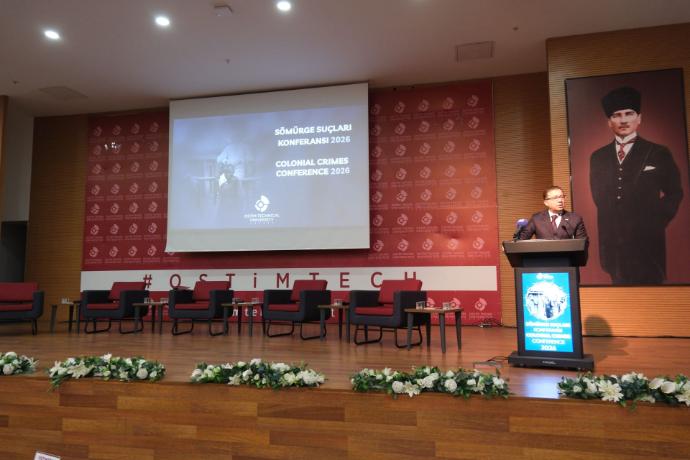
APRIL27 | CONFERENCE PROGRAM COLONIAL CRIMES CONFERENCE 2026 Time: 10:00 – 17:30 | DAY 1 |
10:00 - 10:10 | Opening of the Program |
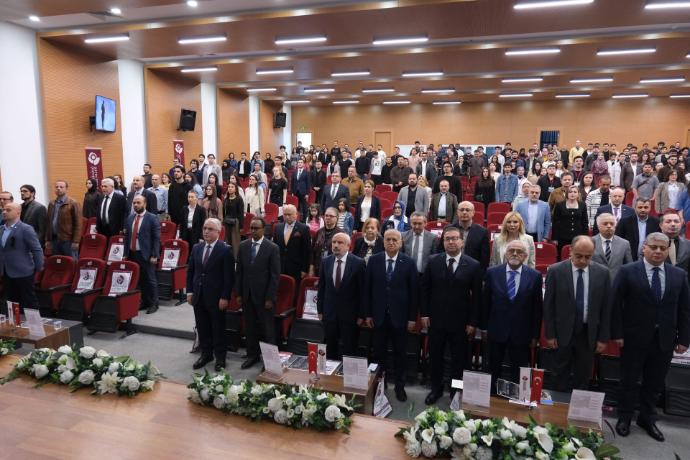
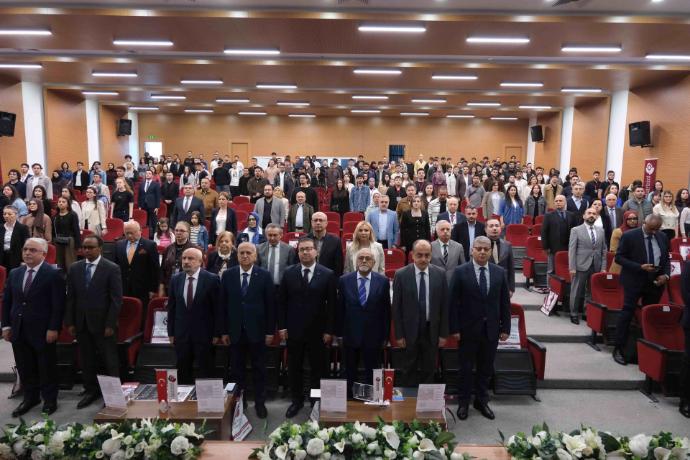
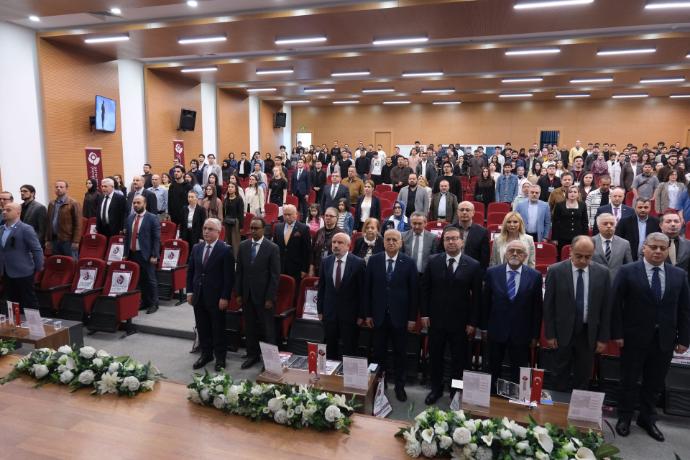
Moment of Silence and the Turkish National Anthem | |
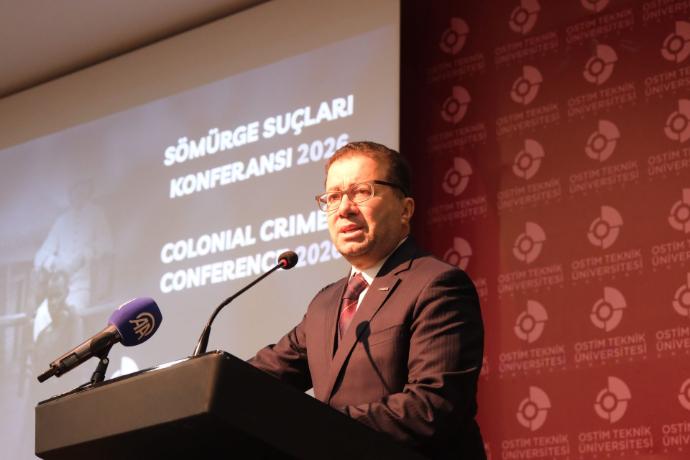
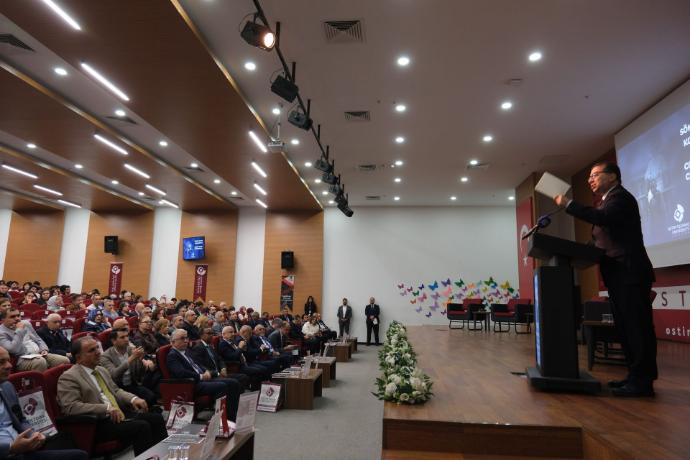
10:10- 10:30 | Opening SpeechesProf. Dr. Murat YülekRector of OSTİM Technical UniversityOrhan AydınChairman of the Board of Trustees of OSTİM Technical University |
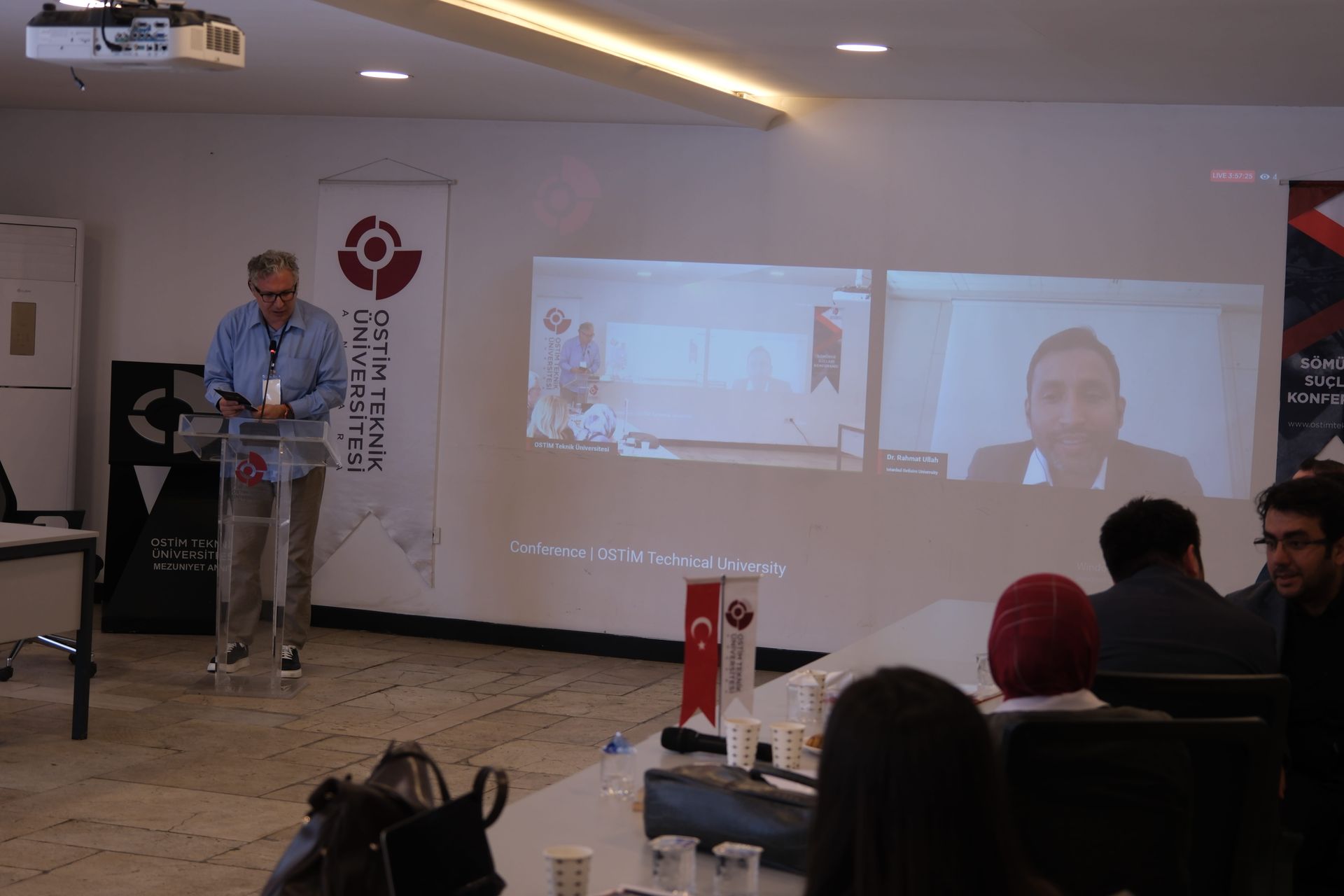
10:10- 10:40 | Video DemonstrationProf. Dr. Henning Melber, University of Pretoria and the Centre for Africa Studies |
10:00 - 12:00 | |
12:00 – 12:30 |
Invited SpeakerProf. Dr. Özgür AdadağGalatasaray University
Colonialism and Cinema |
12:30 - 12:35 | Video DemonstrationFatmagül ÇakanEast Turkestan and Uyghur Turks |
| 12:30 – 13:50 | Lunch Break |
13:45 – 14:00 | Video DemonstrationProf. Dr. Nevzat TarhanUskudar UniversityHolistic Approaches to the Psychosocial Consequences of Historical Injustices |
14:00 – 16:00
| |
16:00 - 16:20 | Video DemonstrationDr. Jamaal BowmanFormer Member of the United States House of RepresentativesDecolonizing Education, Power, and Human Potential |
16:20 - 16:40 | Invited Speaker 1Dr. Ahmet Recai TekinESAM Board MemberLaw Lost in the West, Lives Lost in the East |
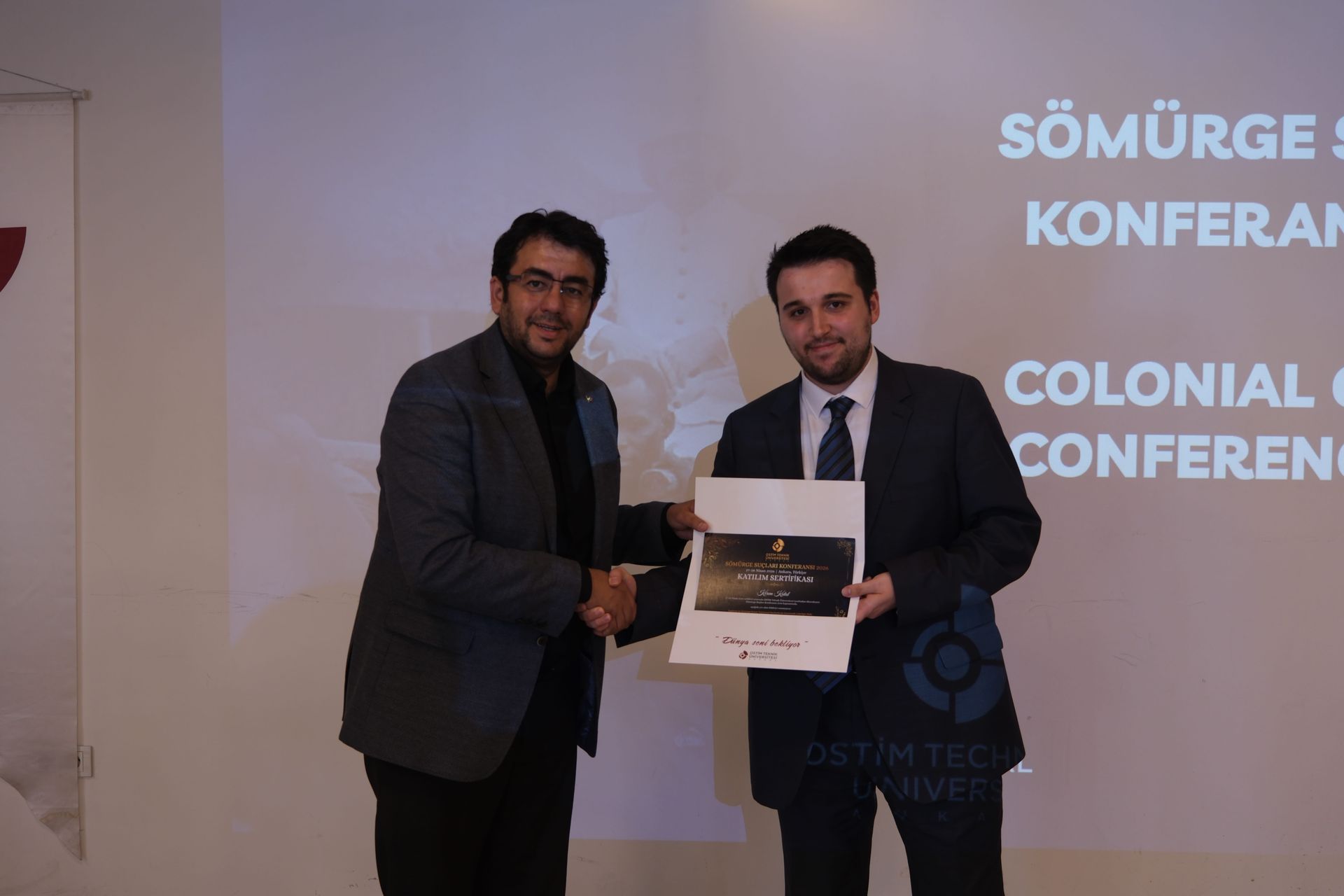
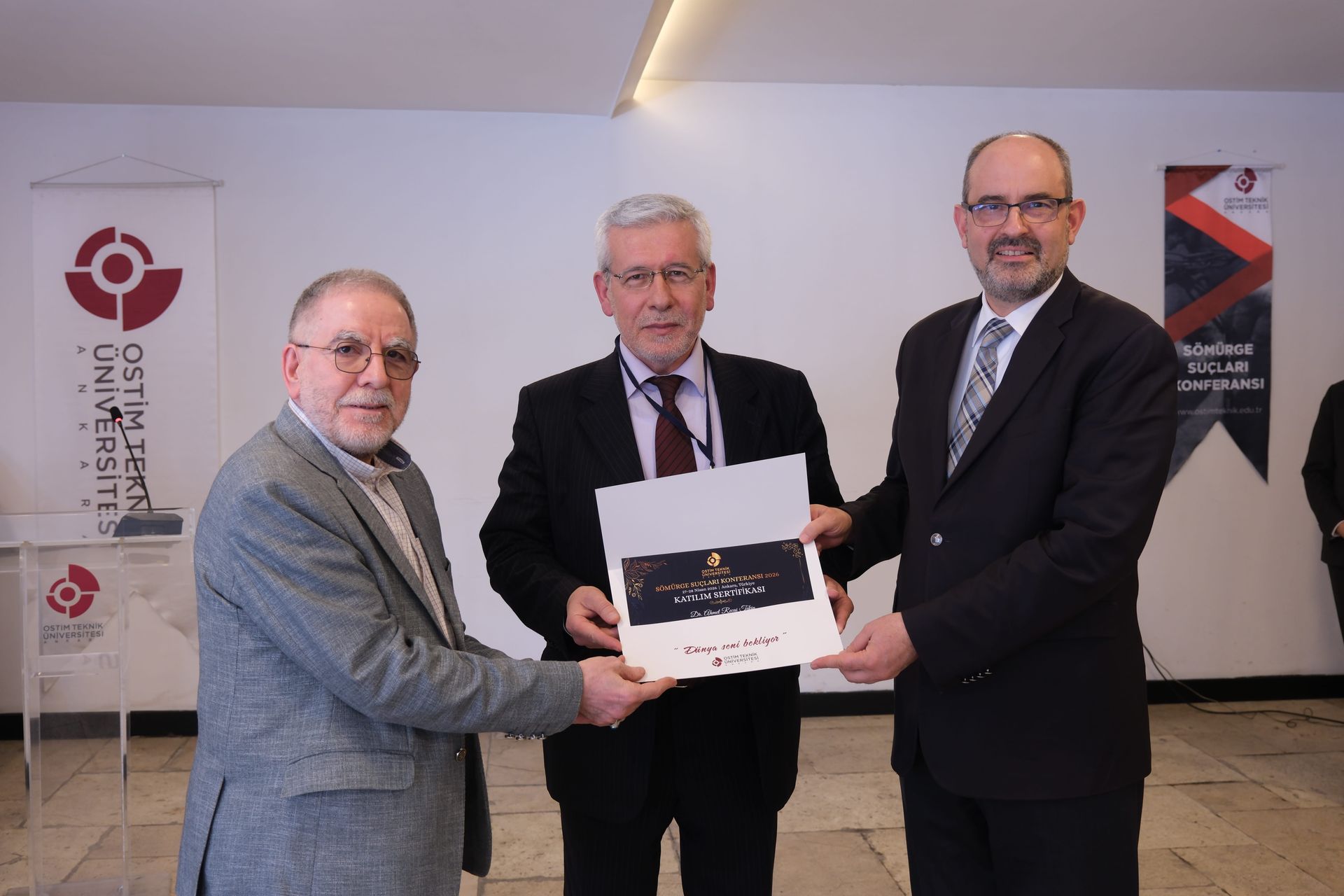
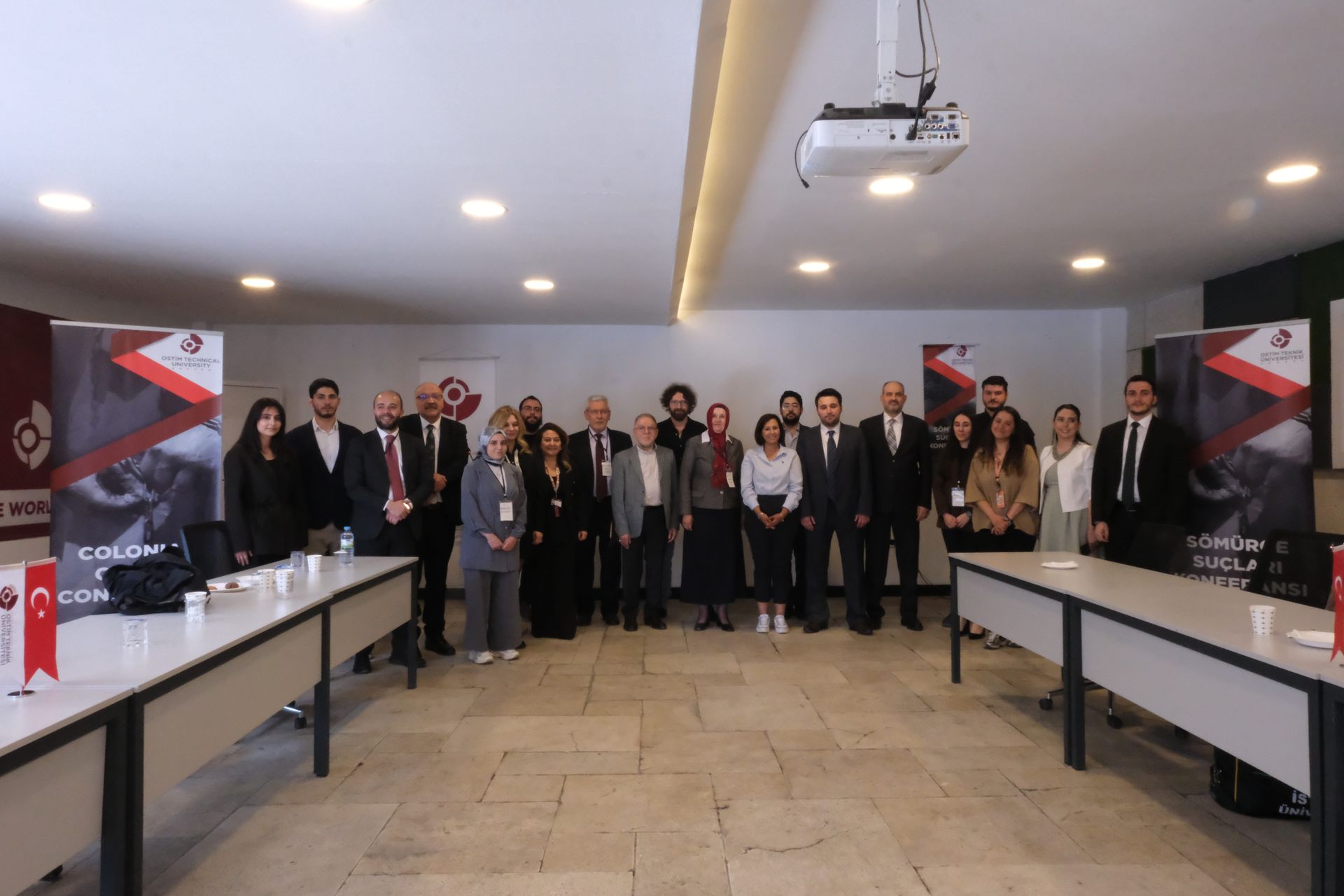
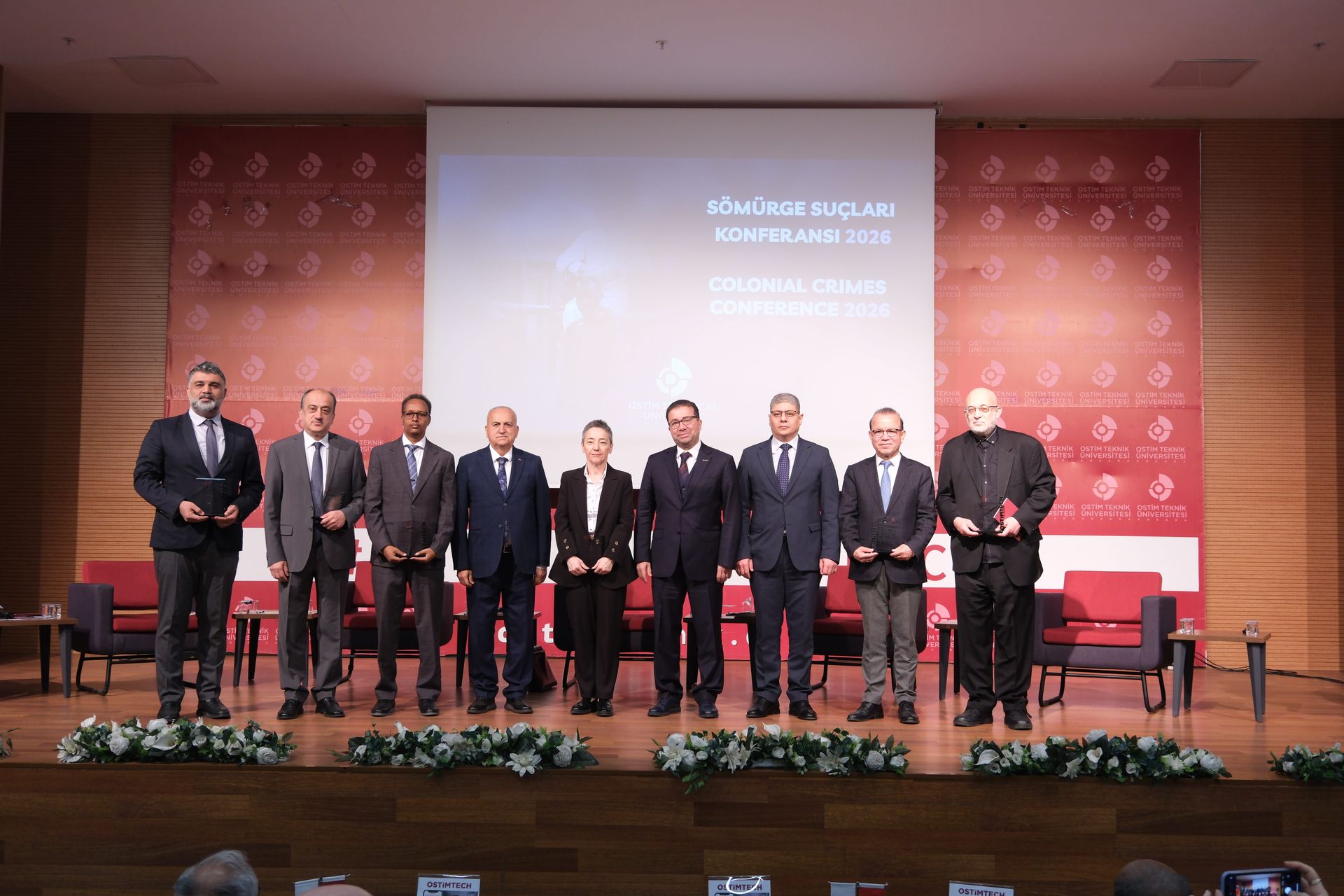
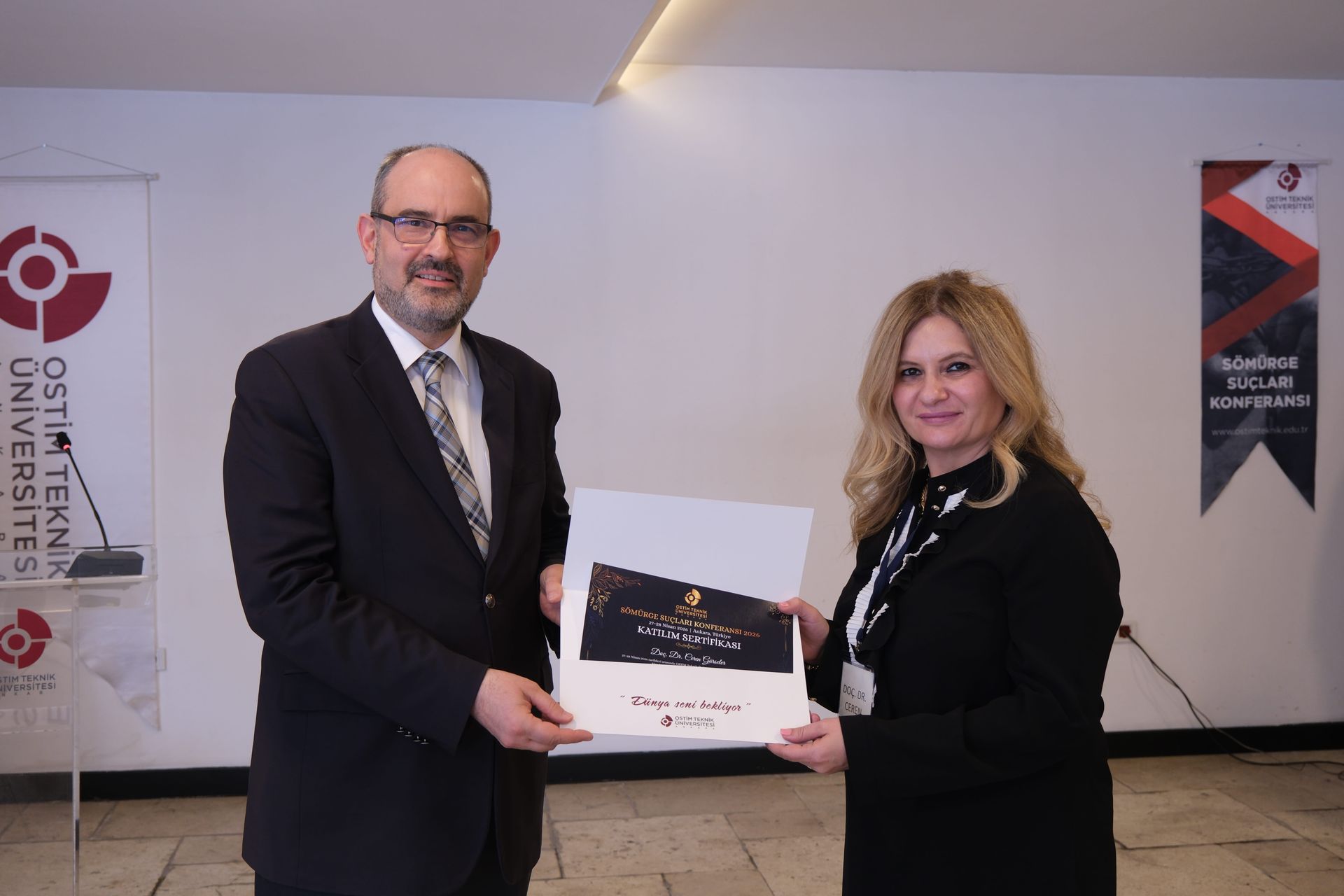
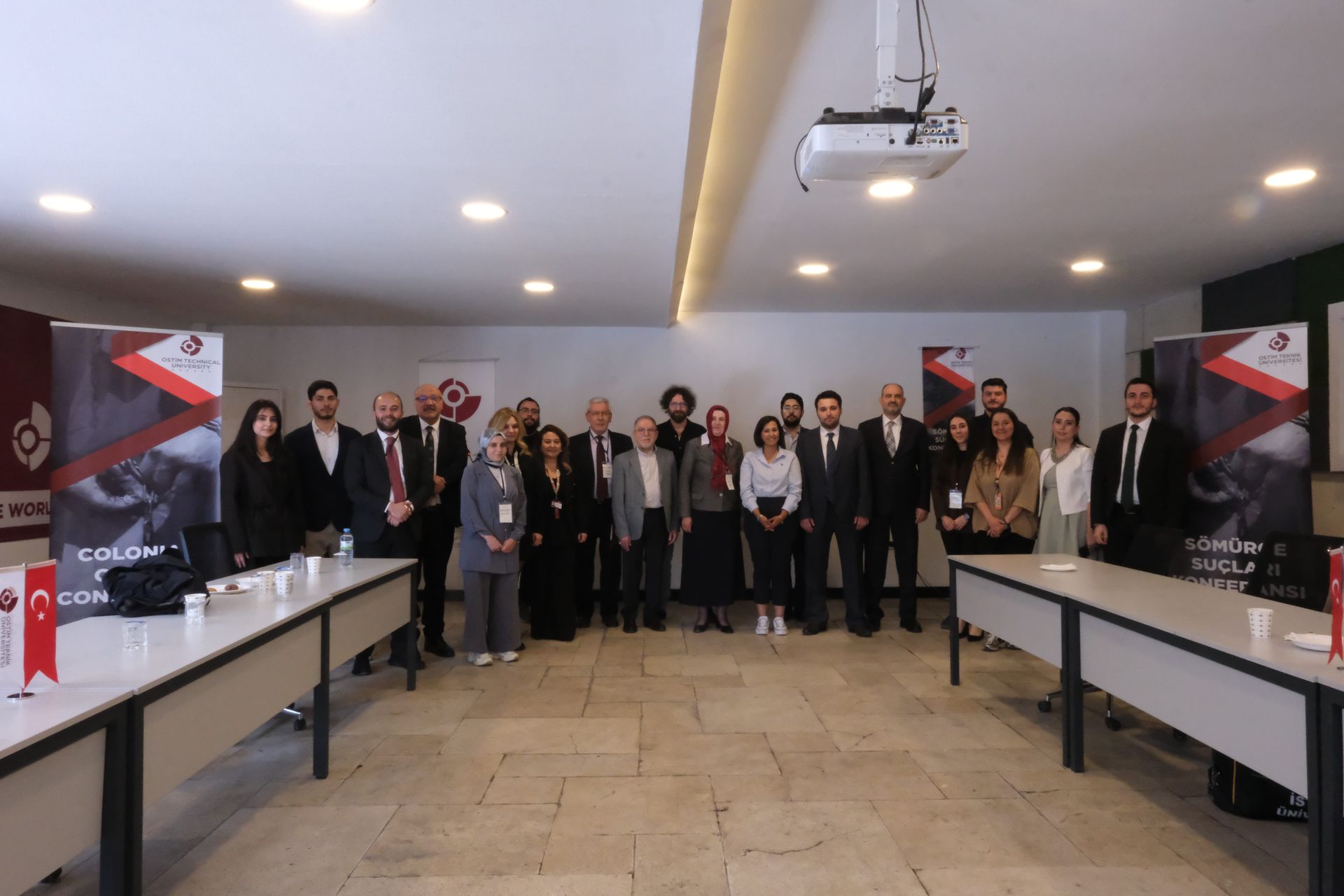
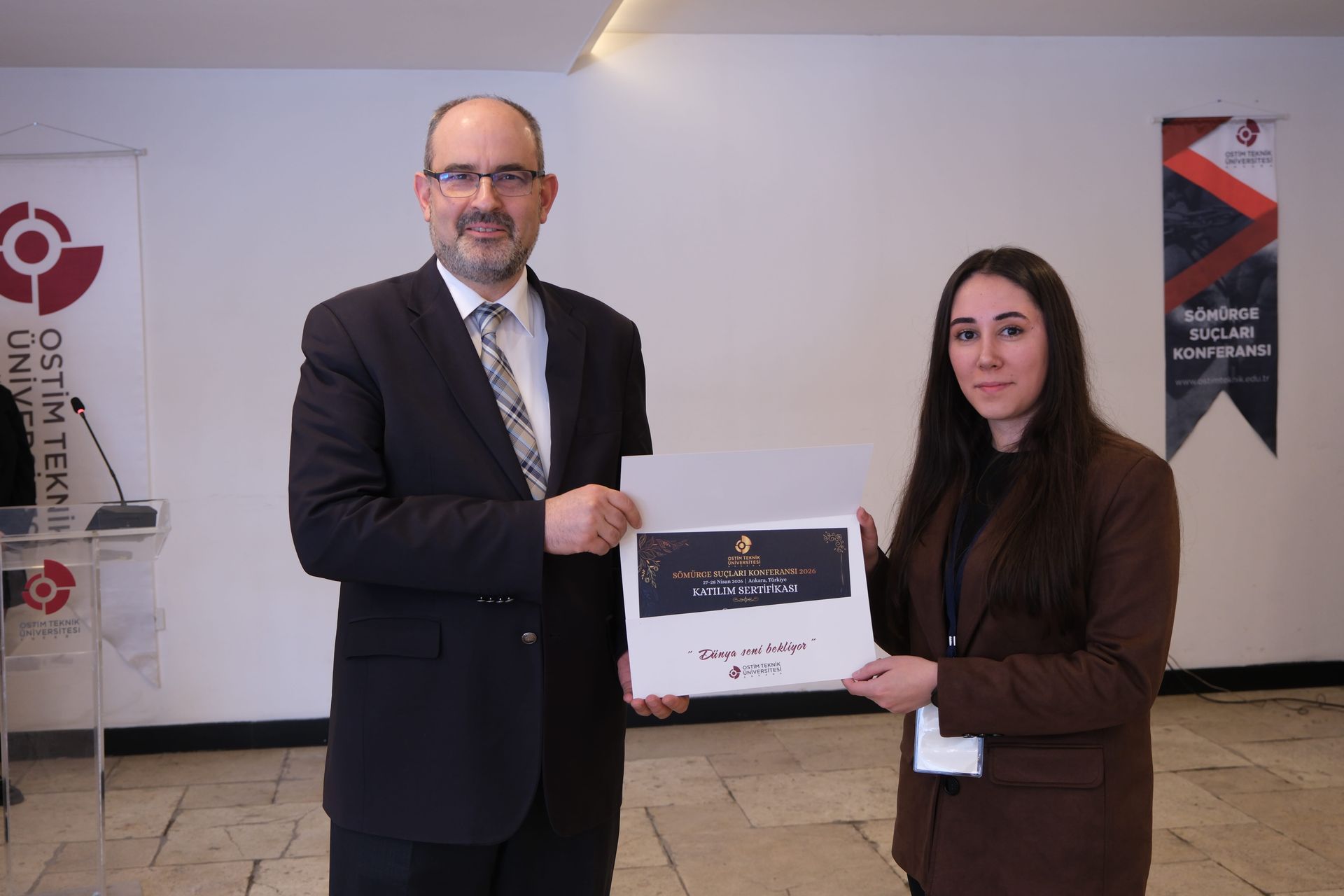
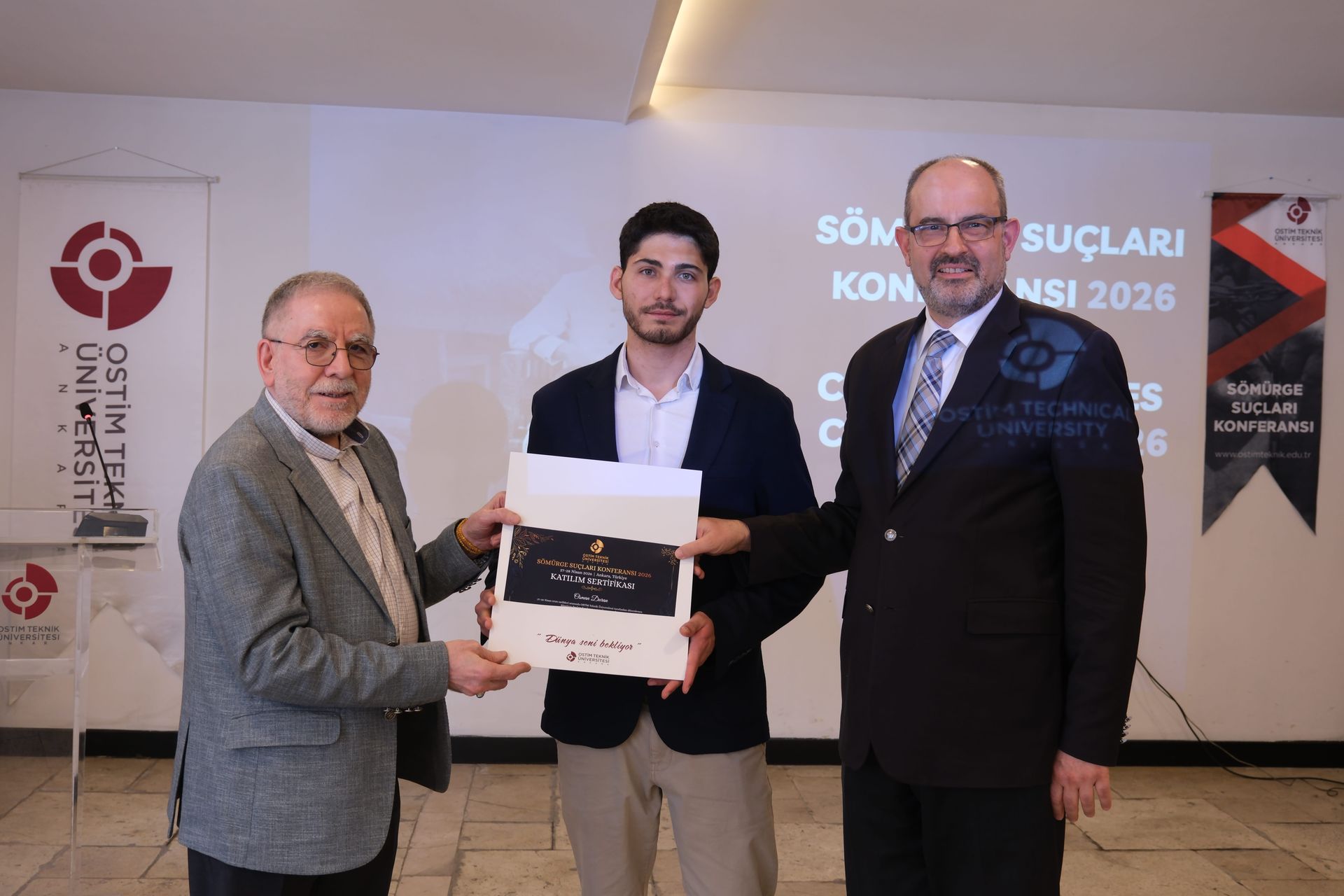
16:30 - 17:00 | Plaque Presentation and Group Photograph |
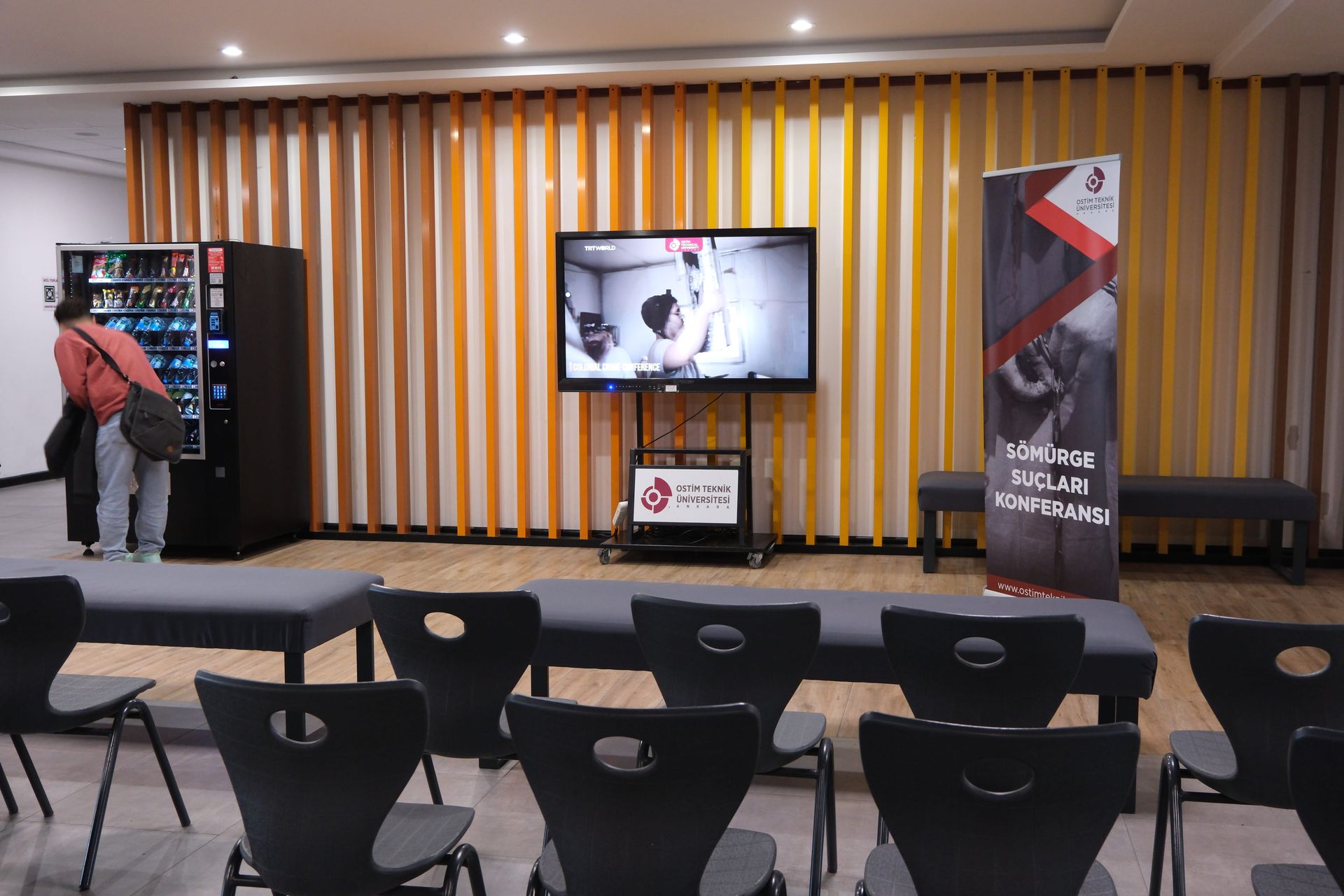
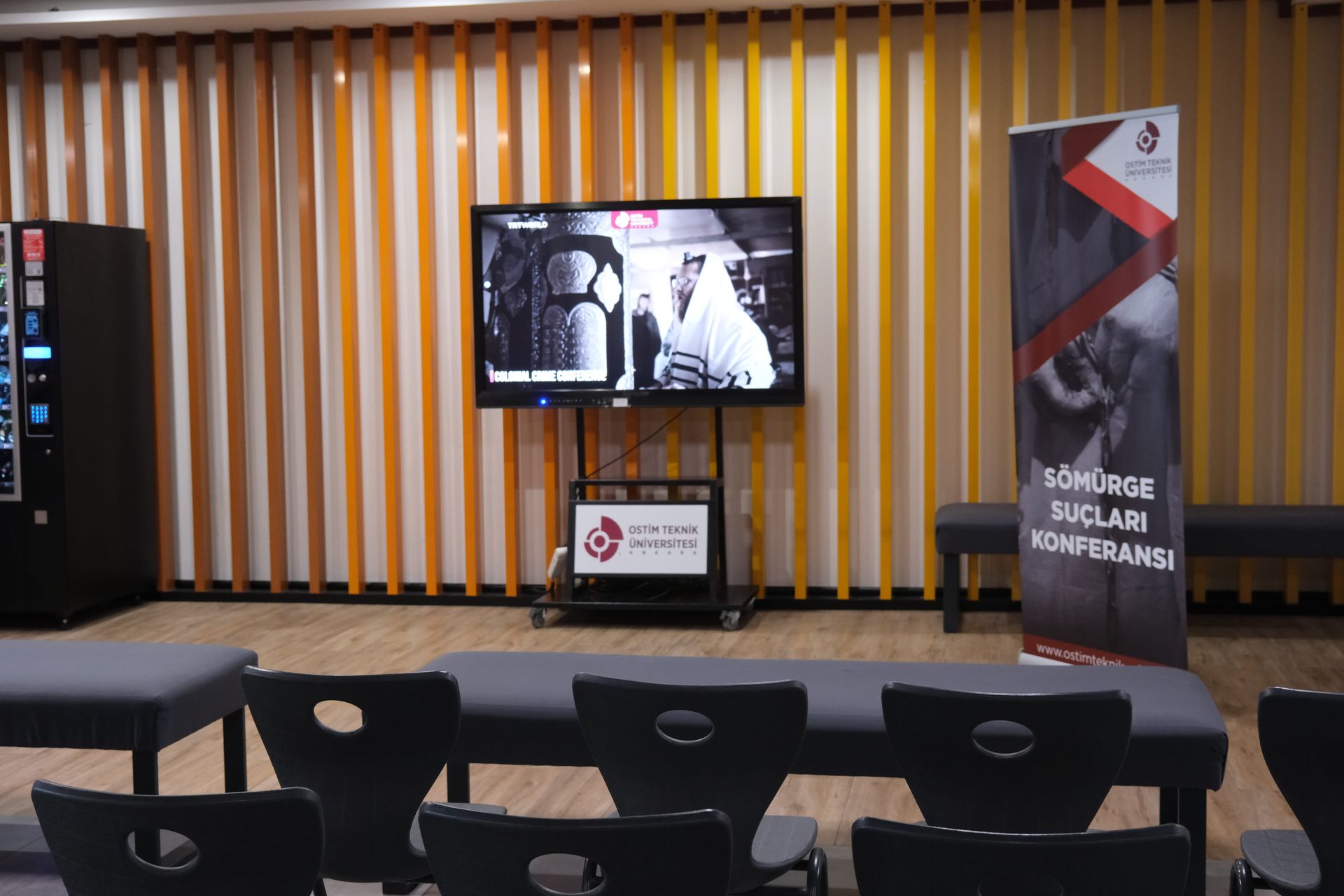
Video DemonstrationHoly RedemptionIt will be on display in the foyer area all day. |

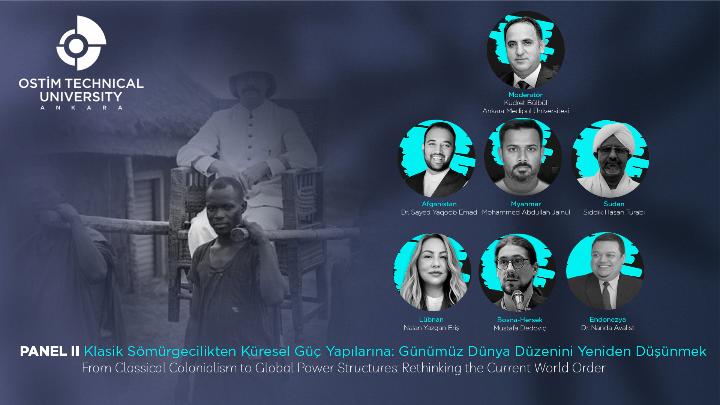
APRIL28 | CONFERENCE PROGRAM COLONIAL CRIMES CONFERENCE 2026 Time: 10:00 – 17:30 | DAY 1 |
10:00 - 11:15 Language: Turkish- English Mix Participation: Hybrid (Online + In-person)
| Concurrent Academic PresentationsI. SessionHistorical Colonialism and Classical Imperial Practices
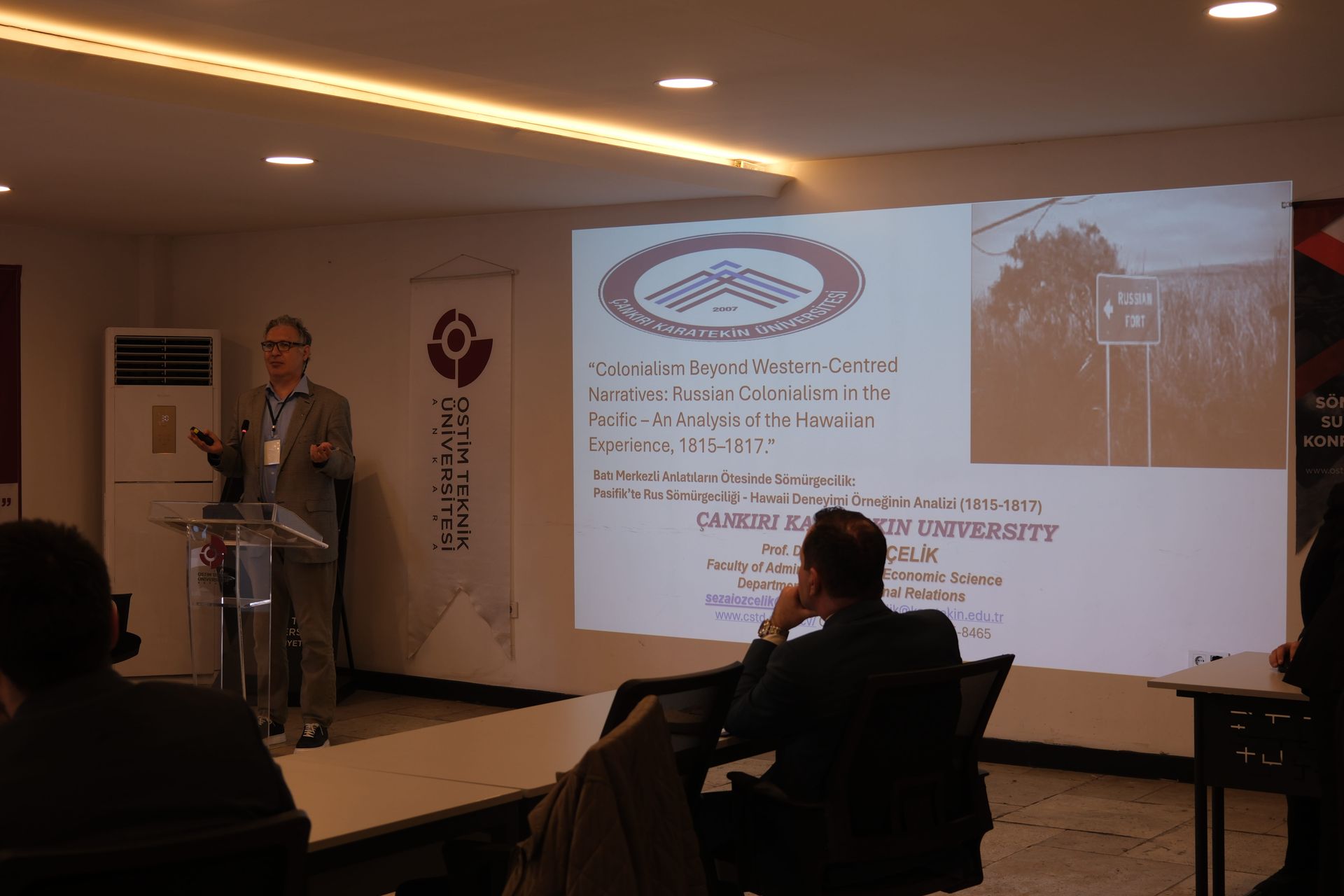
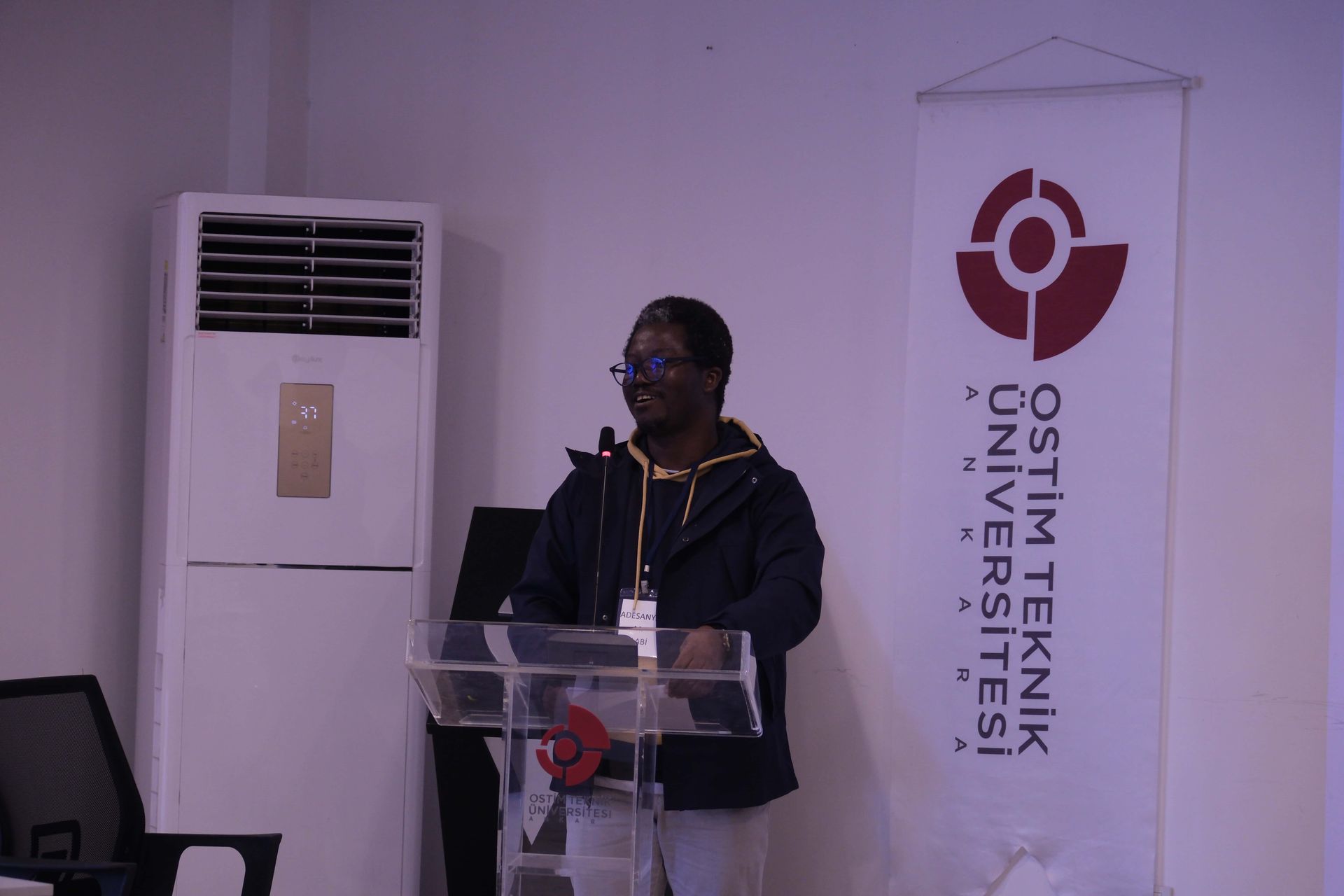
Assoc. Prof. Cemile Tekin – Aksaray University (Türkiye) Within the Borders of “Civilized” Europe: The Colonization of the Bosnian Vilayet by the Austro-Hungarian Empire (1878–1918) (TR – In-person)Prof. Dr. Sezai Özçelik – Çankırı Karatekin University (Türkiye) Colonialism Beyond Western-Centric Narratives: Russian Colonialism in the Pacific – The Case of Hawaii (1815–1817) (TR – In-person)Assoc. Prof. Volkan İpek – Yeditepe University (Türkiye) From the 1930 and 1935 Dahirs to Independence: Deviation from “La Politique Musulmane” in French Morocco (ENG – In-person)Adesanya M. Alabi – Cappadocia University (Türkiye) Colonial Crimes and Moral Failure in Joseph Conrad’s Heart of Darkness: Redefining the So-Called Civilising Mission (ENG – In-person)Dr. Rahmat Ullah – İstanbul Gelişim University (Türkiye) The Hungry Empire: How Britain Starved Bengal (ENG – Online)
|
11:15 – 11:30 | Coffee Break |
11:30 - 12:45 Language: Turkish- English Mix Participation: Hybrid (Online + In-person) | II. SessionColonialism, Identity, Representation, and Human Rights
Sultan Serter – Işık University (Türkiye) The Gender Regime of Islamophobia: Biopolitics, Femonationalism, and the Global Representation of Muslim Women (TR – Online)Dr. Khedidja Ramel – University of Algeria (Algeria) Digital Imperialism and Semiconductors: A Study of Global Hegemony Structures through the U.S.–China Rivalry over Taiwan (ENG – Online)Shuhailla
Safi –– Independent Researcher (International) |
12:45 – 13:00 | Coffee Break |
13:00 - 14:15 Language: Turkish- English Mix Participation: Hybrid (Online + In-person) | III. SessionNeo-Colonialism, Global Systems, and Contemporary Reflections
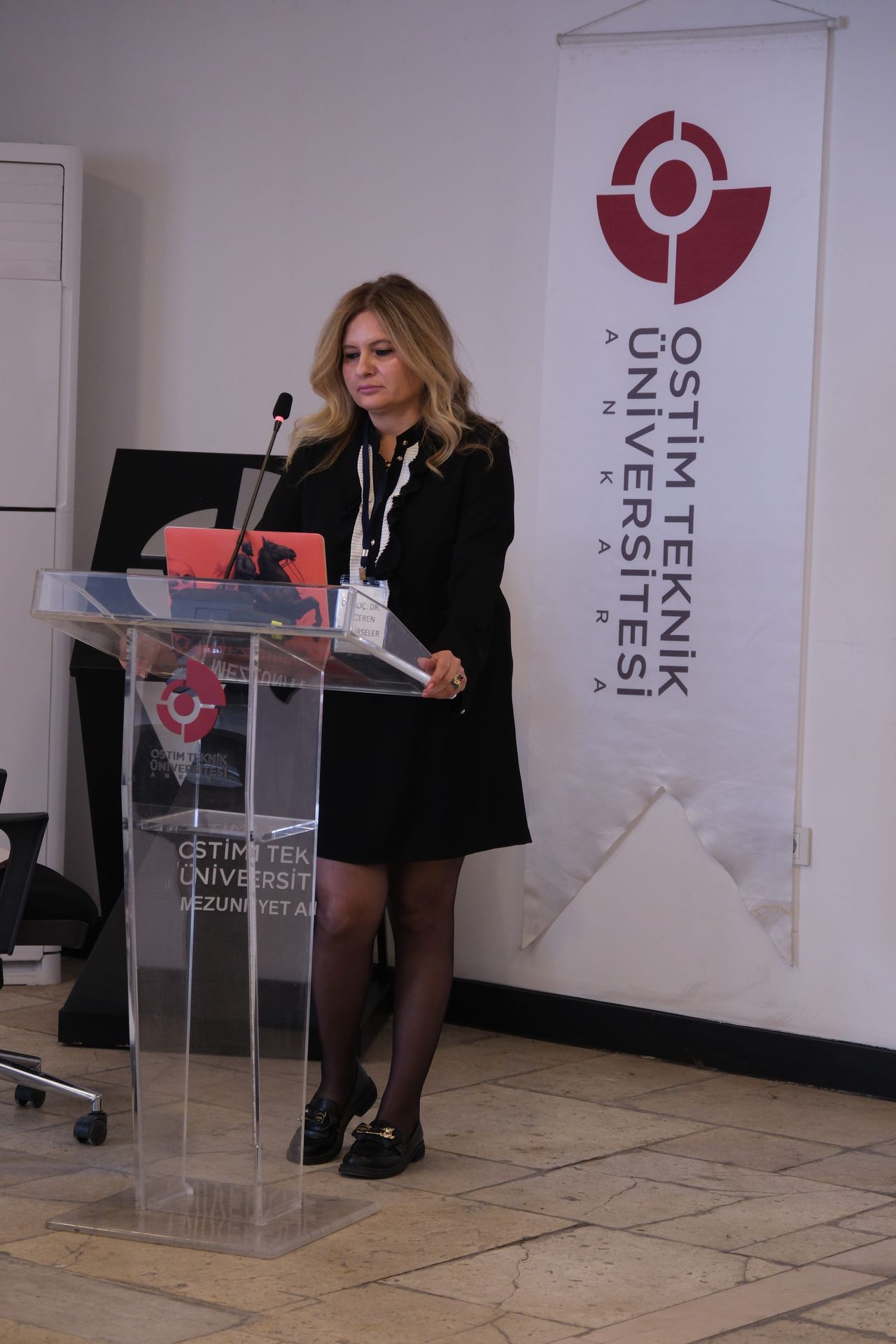
Assoc. Prof. Ceren Gürseler – Nevşehir Hacı Bektaş Veli University (Türkiye) The Responsibility to Protect from a TWAIL Perspective and France’s Interventions in Mali (TR – In-person)Dr. Gılmaz Impramoglou – Yıldız Technical University (Türkiye) |
The program schedule is for informational purposes only. The organizing committee reserves the right to make changes. Updates will be announced on this page.
Online Participation Options
YouTube Channel
The Colonial Crimes Conference will be broadcast live via the official YouTube Channel of OSTIM Technical University. Participants will be able to follow the sessions online, pose questions to the speakers, and engage in discussions with other participants through the live chat feature.


Previous Conferences


Academic Call For Papers

Conference Title: Colonial Crimes Conference 2026
Host Institution: OSTİM Technical University
Date: April 27-28, 2026
Time: 10:00 – 17:00 (GMT+3)
Venue: OSTİM Technical University, Main Campus, Block F, 3rd Floor Conference Hall, Ankara, Türkiye
Conference Languages: Turkish and English
Abstract/Paper Submission Deadline: April 17, 2026
Notification of Acceptance: April 25, 2026
Paper Submissions: Applications must be submitted via email. Acceptance decisions will be communicated to authors by email.
The Colonial Crimes Conference 2026 is an international scholarly event that aims to examine colonialism—one of the most destructive and enduring historical phenomena—through a comprehensive interdisciplinary perspective. The conference seeks to analyze crimes committed under colonial regimes and their legal, socio-economic, political, and cultural consequences.
The event brings together academics, researchers, policymakers, legal scholars, social scientists, and human rights advocates to contribute to a deeper understanding of the transformation of the global historical legacy of colonialism, its continuing effects today, and its contemporary manifestations.
This call invites scholarly papers and research presentations spanning from historical sources to contemporary debates. All submissions will undergo academic peer review. Rather than treating colonialism solely as a historical phenomenon, the conference approaches it as a multidimensional structure that continues to shape the present and future. Contemporary theoretical discussions—including legal accountability linked to colonial history, post-trauma recovery processes, human rights violations, and social justice—are also within the scope of the conference.
The Colonial Crimes Conference 2026, hosted by OSTİM Teknik Üniversitesi on April 27, 2026, aims to address colonialism from historical, political, legal, economic, and socio-cultural perspectives.
Main Theme:
Colonialism and Human Rights
Within this framework, papers are invited under the following thematic areas:
A. Historical Background: From Classical Colonialism to Structures of Global Hegemony
This theme encompasses studies examining the historical continuity from classical colonialism to contemporary global power and domination mechanisms.
Suggested subtopics:
- Early modern colonial practices
- Imperial systems and global power architecture
- Transition from colonialism to neo-colonialism
- Global hegemony and transformation of the international system
- Colonial knowledge production and epistemic domination
Historical continuity and structural transformation analyses are particularly encouraged.
B. Historical Background: From Classical Colonialism to Structures of Global Hegemony
This theme covers research addressing human rights violations within the context of colonialism in the Americas and the Western world.
Possible subtopics:
- Genocide and mass violence against Indigenous peoples
- Slave trade and forced labor systems
- Cultural assimilation and compulsory education policies
- Land dispossession and expropriation
- Demographic transformation and population collapse
Archival research, historical documentation, and comparative studies are welcome.
C. Internal Mechanisms of Control and Suppression in Western Societies
This theme focuses on the historical and contemporary dimensions of internal control, surveillance, and suppression mechanisms developed within colonial center states.
Suggested research areas:
- The security state and emergency rule practices
- Surveillance societies and digital control mechanisms
- Racial and ethnic-based internal security policies
- Suppression of political opposition
- Structural control through legal instruments
This theme invites discussion on how colonial practices are reproduced not only externally but also within metropolitan societies.
D. Continental-Scale Exploitation Policies and Extractive Regimes
Colonialism has been closely linked to large-scale resource transfer and extractive economic regimes.
Expected topics include:
- Natural resource exploitation and mining policies
- Monoculture agricultural economies
- Energy politics and global resource distribution
- Multinational corporations and global capital networks
- Ecological destruction and environmental justice issues
Political economy analyses and development theory perspectives are particularly valuable.
E. Modern Racism and Systemic Discrimination
This theme examines how racism and discriminatory practices have been reproduced in the post-colonial era.
Subthemes:
- Institutional racism
- Migration policies and discriminatory practices
- Islamophobia and xenophobia
- Structural inequalities
- Discrimination in education, employment, and law
Interdisciplinary approaches bridging human rights literature and postcolonial theory are encouraged.
F. Global Pressures and Structural Interventions Targeting Muslim Geographies
This theme covers research analyzing global political, economic, and military interventions in Muslim-majority regions.
Suggested topics:
- International interventionism and regional instability
- Regime change policies
- Sanctions and economic containment
- Security discourse and counter-terrorism policies
- Geopolitical restructuring projects
Studies grounded in international relations, political science, and legal analysis are welcome.
G. Media, Discourse, and Perception Management
This theme examines how colonial and neo-colonial interventions are legitimized through media and discourse.
Subtopics:
- Representation and othering in media
- War rhetoric and propaganda
- Instrumentalization of human rights discourse
- Global news networks and hegemonic narratives
- Social media and digital perception production
Critical discourse analysis and media studies perspectives are encouraged.
H. Economic Exploitation and Debt-Driven Dependency Mechanisms
This theme addresses how economic dependency has been sustained through debt mechanisms and financial structures in the post-colonial era.
Suggested subtopics:
- International financial institutions and structural adjustment programs
- Debt crises and economic dependency
- Development discourse and financial domination
- Global trade regimes
- Monetary policies and dependency relations
Critical political economy approaches are particularly encouraged.
I. Interventions Framed under the Discourse of “Freedom” and Liberal Internationalism
This theme focuses on critical analyses of international interventions carried out under the rhetoric of freedom, democracy, and human rights.
Subtopics:
- Liberal interventionism
- Humanitarian intervention doctrines
- Democracy export policies
- Instrumentalization of international norms
- Debates on legal legitimacy
Normative political theory and international law perspectives are welcome.
J. Prospects for Justice: Rights-Based Approaches and Global Solidarity
The conference also emphasizes solution-oriented perspectives alongside historical analysis.
Suggested areas:
- Transitional justice
- Rights-based development models
- Compensation and reparation mechanisms
- Global solidarity networks
- Alternative approaches to international law
Normative and policy-oriented research proposals are particularly encouraged.
Note
Interdisciplinary and innovative theoretical approaches related to the above themes will also be considered. The conference welcomes contributions from history, law, political science, sociology, economics, media studies, human rights studies, and related social science disciplines.
The conference accepts the following types of submissions:
1) Full Research Papers
- 5,000–9,000 words
- Must include theoretical framework, literature review, methodology, and findings
- Subject to peer review
2) Short Papers / Extended Abstracts
- 750–2,500 words
- May include research proposals, case studies, fieldwork, or theoretical designs.
3) Panel and Symposium Proposals
- Thematic sessions proposed by multiple researchers.
- May be organized as open sessions, roundtables, or discussion panels.
All submissions must make an original contribution to the literature and must not have been previously published. Empirical research must adhere to ethical standards and proper citation practices.
Required Documents:
Each application must include the following documents:
- Full paper or abstract (PDF or Word format)
- Short academic biography of the author(s) (150–200 words)
- Theoretical and methodological summary
- Contact details and institutional affiliation
Formatting Requirements:
- Times New Roman, 12-point font, 1.5 line spacing
- APA 7 citation and reference format
- Maximum 6 keywords
- Title page including title, author(s), and affiliation
Submission Method:
Submissions must be sent via email.
Konferans e-posta adresi: colonialcrimes@ostimteknik.edu.tr
Suggested Email Subject Line:
Colonial Crimes Conference 2026 – Paper Submission – [Author Surname]
All submitted papers will be evaluated through a double-blind peer review process by experts in the field.
Evaluation criteria:
- Originality of the research
- Theoretical and methodological coherence
- Scientific validity of data and evidence
- Contribution to the literature
- Relevance to conference themes
Authors of rejected submissions will receive reasoned feedback.
Accepted papers will be published in the Conference Proceedings Book (with ISBN). Selected papers may be recommended by the editors for publication in a special peer-reviewed journal issue, subject to a separate editorial evaluation process.
The Colonial Crimes Conference 2026 provides a platform for interdisciplinary dialogue within the international academic community. Its primary aim is to contribute to a scientific understanding of the deep structural impacts of colonialism, and to analyze justice claims, legal frameworks, and historical responsibilities.
The effects of colonialism are not merely historical; they continue to shape contemporary political, economic, and cultural inequalities. The conference represents a scholarly vision that sees academic knowledge not only as a means of intellectual production but also as a tool to illuminate present-day global challenges.
The conference will be held in person at OSTİM Technical University. However, the conference organizing committee will provide opportunities for online viewing and interaction in addition to in-person attendance. The conference will be streamed live on the university’s YouTube channel, and participants will be able to ask questions to the speakers online.
Presentation format:
- Presentation: 15 minutes
- Discussion and Q&A: 5 minutes
The Colonial Crimes Conference 2026 offers a broad interdisciplinary platform bringing together history, law, human rights, sociology, economics, cultural studies, and political science.
We invite researchers, academics, doctoral and master’s students, and scholars who seek to contribute to illuminating the darker chapters of history through scientific inquiry and academic rigor.
We look forward to receiving your long and short paper submissions addressing issues such as collective memory, post-trauma recovery, justice claims, post-colonial development, and legal responsibility.
We welcome your research and insights to this platform where scholarly productivity and critical thinking are fostered and shared.
Colonial Crimes Conference 2026 – Organizing Committee
OSTİM Technical University, Ankara, Türkiye

Our experts will guide you every time
Lorem ipsum dolor sit amet, consectetur adipiscing elit, sed do eiusmod tempor incididunt ut labore et dolore magna aliqua. Ut enim ad minim veniam, quis nostrud exercitation ullamco laboris nisi ut aliquip ex ea commodo consequat.
Lorem ipsum dolor sit amet, consectetur adipiscing elit, sed do eiusmod tempor incididunt ut labore et dolore magna aliqua. Ut enim ad minim veniam, quis nostrud exercitation ullamco laboris nisi ut aliquip ex ea commodo consequat.
Learn More