sormurge-suclar-konferans | Conference
Follow us
Conference
+90 312 386 10 92

English (US) | Türkçe
  • ×
  • Organization & Events

    ACADEMIC OPENING CEREMONY


    2025 - 2026 2024 - 2025 2023 - 2024 2021 - 2022

    SEPIP


    SEPIP 2026 SEPIP 2025 SEPIP 2024SEPIP 2023SEPIP 2022SEPIP 2021

    TEDX OSTİMTECH


    TEDX OSTİMTECH 2025 TEDX OSTİMTECH 2026

    COLONIAL CRIMES CONFERENCE


    Colonial Crimes Conference 2026 Colonial Crimes Conference 2025 Conference of Oppressed Peoples 2024

    OTHER ORGANIZATIONS


    Science, Industry and Technology Award Ceremony IBM-OSTİMTECH Workshop 100th Anniversary of the Republic Feza Gürsey Commemoration DayPublic Administration and Development CongressHigher Education Forum on the Future of Vocational 
    Training
    KORSEM'26 17th International Corrosion Symposium Pitching Day 2026
  • 0
  • Conference
English (US) | Türkçe

  • About Us
  • Subjects
  • Speakers
  • Date and Place
  • Online Participation Options
  • Who Can Attend?
  • Video Gallery
  • Photo Gallery

Why This Conference?

Colonialism, from approximately the 15th century to the 20th century, was a phenomenon that gripped a large part of the world and radically altered the course of human history. The colonial empires established by European powers in the Americas, Africa, Asia, and Oceania permanently transformed not only political boundaries but also the social and ecoColonialism, from approximately the 15th century to the 20th century, was a phenomenon that gripped a large part of the world and radically altered the course of human history. The colonial empires established by European powers in the Americas, Africa, Asia, and Oceania permanently transformed not only political boundaries but also the social and enomic structures of those regions. Unfortunately, this transformation was often accompanied by violence, exploitation, and inhumane practices. Even today, the wounds inflicted by colonialism have not fully healed, because colonial regimes upended the social, economic, and political structures of the societies they targeted, causing traumas that would last for generations. Colonial administrations, with the crimes they committed for their own interests, cost millions of lives, destroyed countless cultural assets, and forced the regions they colonized into a prolonged cycle of dependency. 

On the American continent, after European colonialism began in 1492, the Indigenous peoples experienced an unprecedented demographic collapse. Diseases brought from Europe, wars of conquest, and forced labor wiped out about 90% of the native population. Research shows that at the end of the 15th century the Indigenous population was around 60 million, which fell to only 6 million within a century. On the other hand, the African continent witnessed one of the most tragic scenes of colonial crimes. In the transatlantic slave trade, approximately 12 to 13 million Africans were forcibly transported to the Americas to serve the interests of European states. During this journey, over 1 to 2 million people perished aboard the ships, and millions more died during the capture and transport processes. Enslaved people were torn from their homelands and condemned to inhumane conditions, while the societies left behind lost their populations and productive capacity. In addition, the forced rubber collection regime in King Leopold II’s personal colony of the Congo is remembered for mass punishments and massacres. According to colonial era records, the Congolese population declined by millions during this period, and modern estimates suggest the population loss may have approached 10 million. These atrocities, of which there are dozens or even hundreds of examples, are the clearest proof that colonialism inflicted irreparable human and economic harm on societies.

The dominance of colonial powers in Asia also led to heavy human costs. For example, the British Empire’s colonial administration in India economically exploited the people while creating severe famines and poverty. Comprehensive historical research has revealed that during the period 1881–1920, when British rule was at its peak, colonial policies caused approximately 100 million “excess deaths” in India. This number constitutes one of the largest policy driven mass deaths in a single region in history, and is even greater than the total of the major famines that occurred under various regimes in the 20th century. Under colonial administration, the transfer of agricultural production and resources to the metropole paved the way for millions of people to perish from hunger and disease. As a result, India experienced economic decline during the colonial period, and extreme poverty and low living standards became permanent.

Colonialism did not only cause loss of life; it is also remembered for its policies of systematic cultural destruction. Many colonial administrations suppressed the languages, religions, and traditions of indigenous peoples, imposing cultural assimilation through tools such as missionary activities and compulsory education. For example, the residential school system imposed on Indigenous peoples in Canada aimed to create “model citizens” by separating children from their families and distancing them from their own culture and languages. Such practices are today described as “cultural genocide” by scholars and human rights advocates. ​

Similarly, in the lands they occupied, colonial powers destroyed religious and cultural artifacts and libraries, or carried them off to Europe. In this context, many nations lost not only their populations and material resources, but also a significant portion of their cultural heritage during the age of colonialism. Colonialism also established an order that made the occupied regions economically dependent. Throughout the colonial period, colonies were used as sources of raw materials and labor; industrialization or self sufficient economic development was largely hindered.

Monoculture agricultural economies and trade structures dependent on external markets were deliberately encouraged by colonial administrations. This led to many former colonies being condemned to fragile economies and unfair global trading conditions even after independence. Indeed, post-colonial neo-colonial relationships and the unequal structures of the global economy continued former colonies’ dependence on the metropoles in new forms. For this reason, the “wounds” caused by colonialism have not been fully healed.

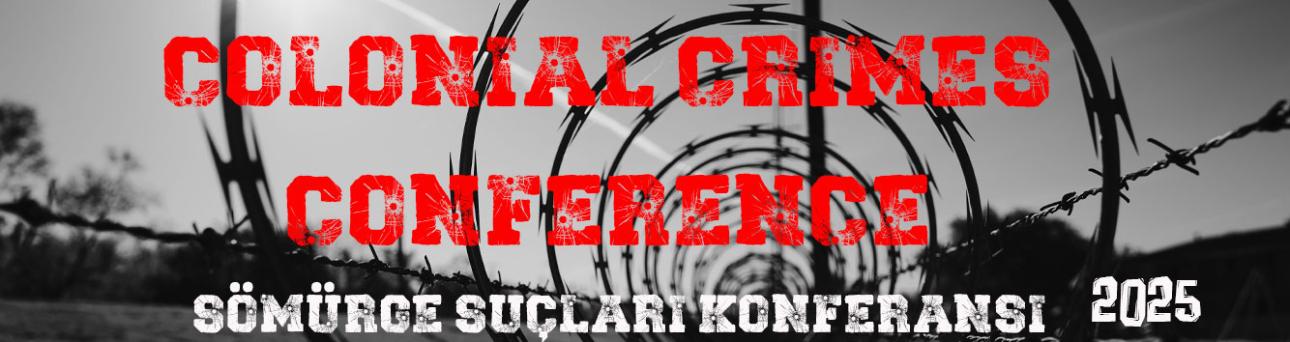
Humanity Transcending Ages: A History of Unaddressed Colonial Crimes
 

Subject

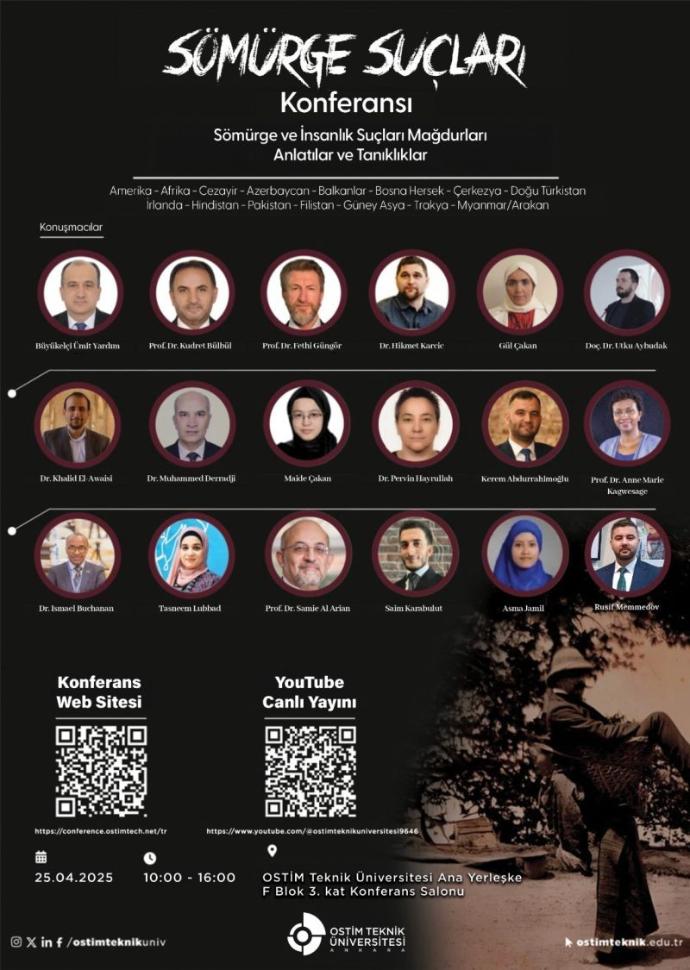
In the 2025 thematic sessions of the Colonial Crimes Conference, the colonial crimes that occurred in the following countries and regions will be addressed. For each country or region, the colonial crimes committed in historical context will be analyzed from political, sociological, and legal perspectives.
 Americas
 Africa 
Algeria
 Azerbaijan
 The Balkans
 Bosnia and Herzegovina
 Circassia 
 East Turkestan 
 Ireland
 India
 Pakistan
 Palestine 
South Asia
 Western Thrace


  • ​
  • ​
  • ​
  • ​
  • ​
  • ​
  • ​
  • ​
  • ​
  • ​
  • ​
  • ​
  • ​
  • ​

Speakes

Ümit Yardım

 (Turkiye)  

10:15- 12:00  Session I 

Moderator 

Prof. Dr. Kudret Bülbül

(Turkiye) 

14:00 – 16:00  Session II 

Moderator

Prof. Dr. Fethi Güngör

( Çerkesya) 

Doç. Dr. Utku Aybudak

(Irlanda)

Hikmet Karcic

(Bosna Hersek )

Prof. Dr. Anne Marie Kagwesage

( Ruanda )

Gül Çakan

(Doğu Türkistan) 

Dr. Muhammed Derradji

(Cezayir)

Maide Çakan

  (Doğu Türkistan) 

Pervin Hayrullah

(Batı Trakya) 

Dr. Ismael Buchanan

( Ruanda )

Kerem Abdurrahimoglu 

(Batı Trakya) 

Tasneem Lubbad

( Palestine)

Sami Al Arian

Dr. Khalid El-Awaisi

Saim Karabulut

(Türkiye)


Asma Jamil

(Burma/Arakan)


Date and Place

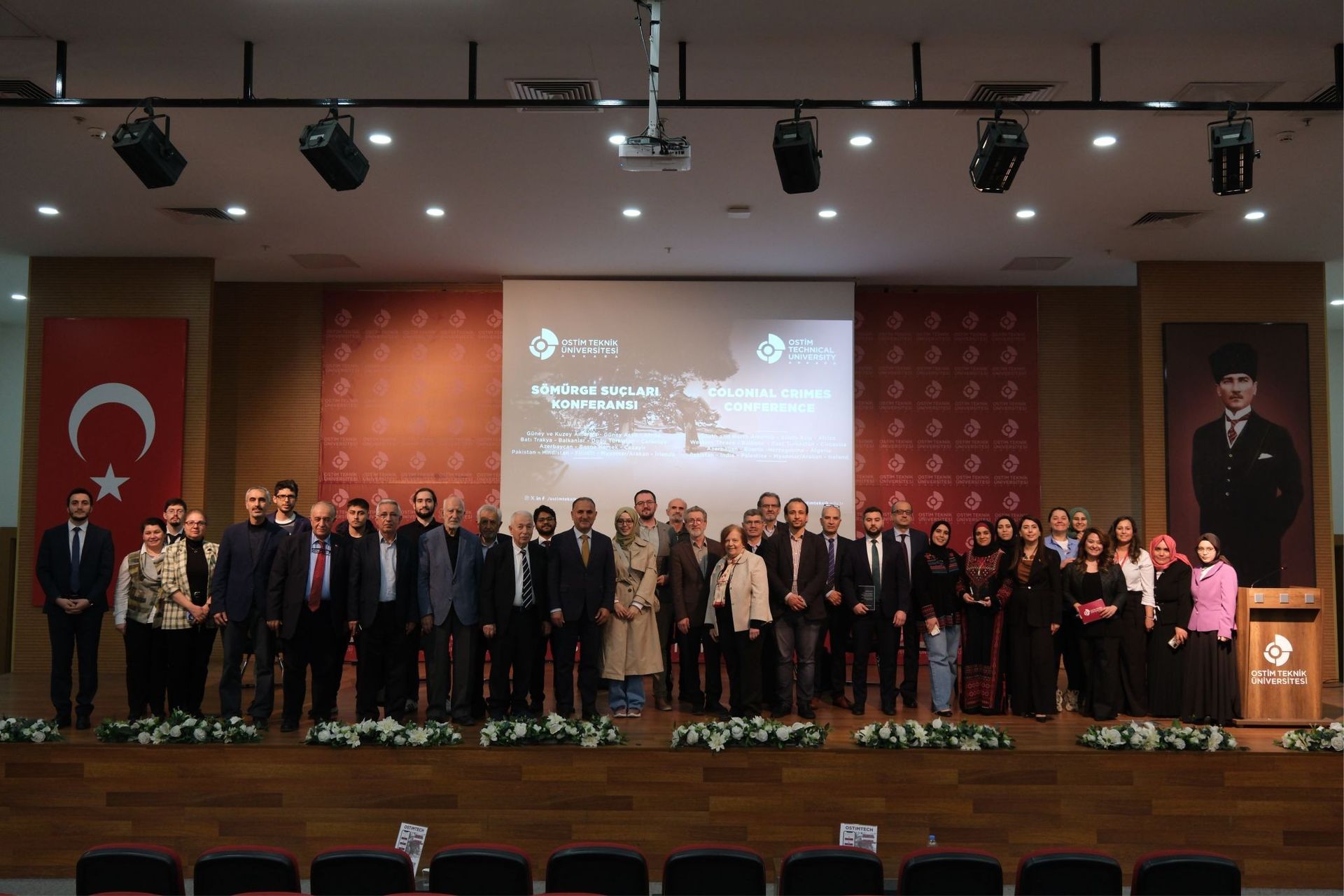
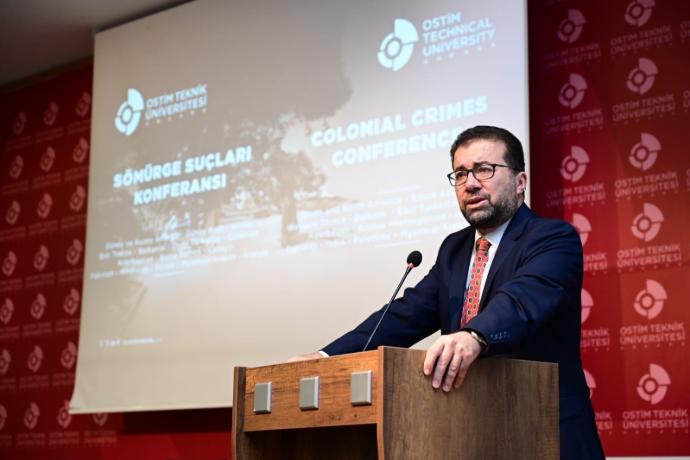
Date: 25 April 2025 

Time: 10:00 – 16:00

Venue: OSTİM Technical University, Main Campus, F Block, 3rd Floor Conference Hall


Online Participation Options

The Colonial Crimes Conference will be broadcast live on OSTİM Technical University’s official YouTube channel. Participants will be able to follow the sessions online, direct questions to the speakers, and join discussions with other participants via the live chat.


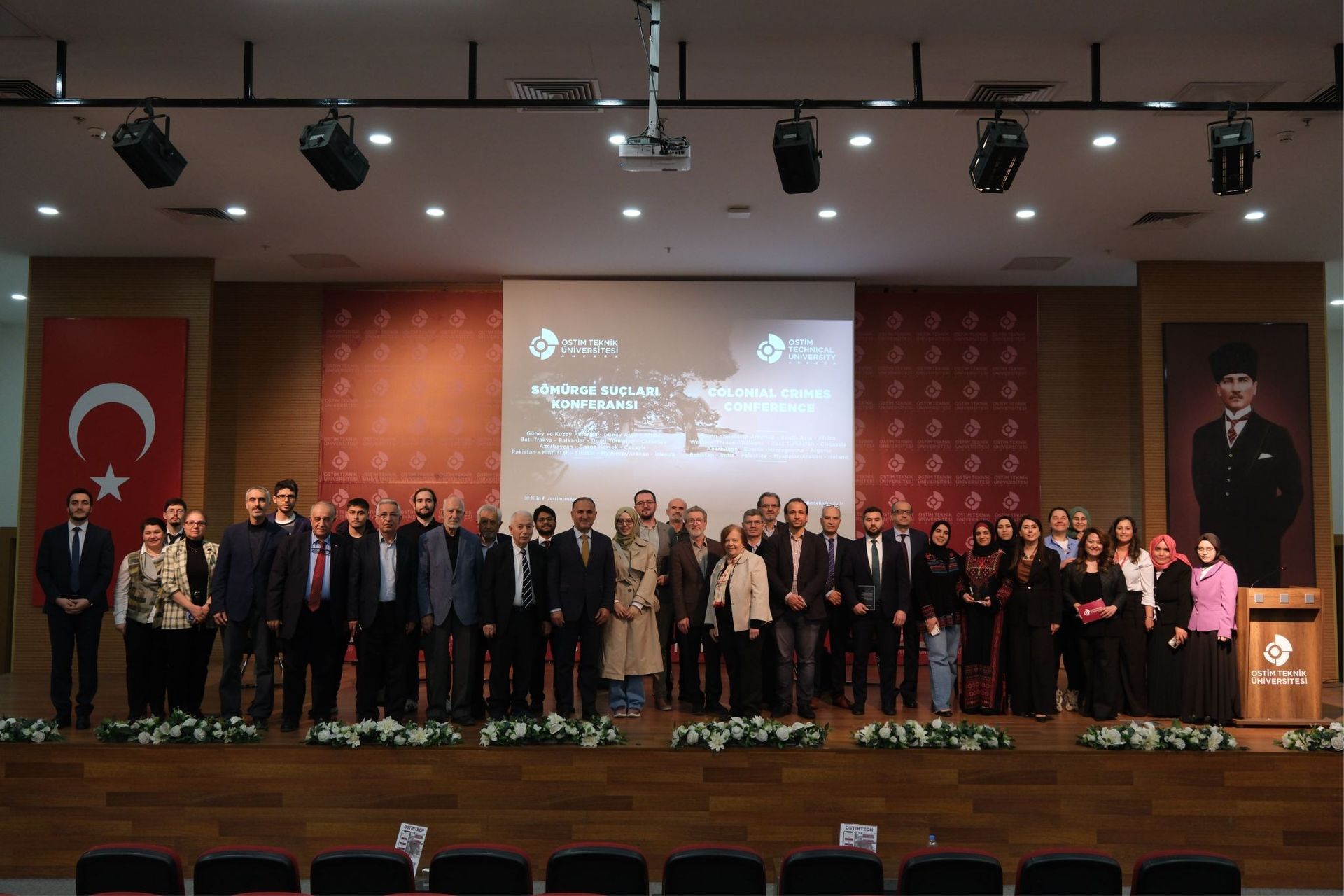
Photo Gallery

The Colonial Crimes Conference is open to all participants with academic, professional, or personal interest in the historical, political, and legal dimensions of colonialism and its effects today.


Video Gallery


Photo Gallery

Why This Conference?

Colonialism, from approximately the 15th century to the 20th century, was a phenomenon that gripped a large part of the world and radically altered the course of human history. The colonial empires established by European powers in the Americas, Africa, Asia, and Oceania permanently transformed not only political boundaries but also the social and ecoColonialism, from approximately the 15th century to the 20th century, was a phenomenon that gripped a large part of the world and radically altered the course of human history. The colonial empires established by European powers in the Americas, Africa, Asia, and Oceania permanently transformed not only political boundaries but also the social and enomic structures of those regions. Unfortunately, this transformation was often accompanied by violence, exploitation, and inhumane practices. Even today, the wounds inflicted by colonialism have not fully healed, because colonial regimes upended the social, economic, and political structures of the societies they targeted, causing traumas that would last for generations. Colonial administrations, with the crimes they committed for their own interests, cost millions of lives, destroyed countless cultural assets, and forced the regions they colonized into a prolonged cycle of dependency. 

On the American continent, after European colonialism began in 1492, the Indigenous peoples experienced an unprecedented demographic collapse. Diseases brought from Europe, wars of conquest, and forced labor wiped out about 90% of the native population. Research shows that at the end of the 15th century the Indigenous population was around 60 million, which fell to only 6 million within a century. On the other hand, the African continent witnessed one of the most tragic scenes of colonial crimes. In the transatlantic slave trade, approximately 12 to 13 million Africans were forcibly transported to the Americas to serve the interests of European states. During this journey, over 1 to 2 million people perished aboard the ships, and millions more died during the capture and transport processes. Enslaved people were torn from their homelands and condemned to inhumane conditions, while the societies left behind lost their populations and productive capacity. In addition, the forced rubber collection regime in King Leopold II’s personal colony of the Congo is remembered for mass punishments and massacres. According to colonial era records, the Congolese population declined by millions during this period, and modern estimates suggest the population loss may have approached 10 million. These atrocities, of which there are dozens or even hundreds of examples, are the clearest proof that colonialism inflicted irreparable human and economic harm on societies.

The dominance of colonial powers in Asia also led to heavy human costs. For example, the British Empire’s colonial administration in India economically exploited the people while creating severe famines and poverty. Comprehensive historical research has revealed that during the period 1881–1920, when British rule was at its peak, colonial policies caused approximately 100 million “excess deaths” in India. This number constitutes one of the largest policy driven mass deaths in a single region in history, and is even greater than the total of the major famines that occurred under various regimes in the 20th century. Under colonial administration, the transfer of agricultural production and resources to the metropole paved the way for millions of people to perish from hunger and disease. As a result, India experienced economic decline during the colonial period, and extreme poverty and low living standards became permanent.

Colonialism did not only cause loss of life; it is also remembered for its policies of systematic cultural destruction. Many colonial administrations suppressed the languages, religions, and traditions of indigenous peoples, imposing cultural assimilation through tools such as missionary activities and compulsory education. For example, the residential school system imposed on Indigenous peoples in Canada aimed to create “model citizens” by separating children from their families and distancing them from their own culture and languages. Such practices are today described as “cultural genocide” by scholars and human rights advocates. ​

Similarly, in the lands they occupied, colonial powers destroyed religious and cultural artifacts and libraries, or carried them off to Europe. In this context, many nations lost not only their populations and material resources, but also a significant portion of their cultural heritage during the age of colonialism. Colonialism also established an order that made the occupied regions economically dependent. Throughout the colonial period, colonies were used as sources of raw materials and labor; industrialization or self sufficient economic development was largely hindered.

Monoculture agricultural economies and trade structures dependent on external markets were deliberately encouraged by colonial administrations. This led to many former colonies being condemned to fragile economies and unfair global trading conditions even after independence. Indeed, post-colonial neo-colonial relationships and the unequal structures of the global economy continued former colonies’ dependence on the metropoles in new forms. For this reason, the “wounds” caused by colonialism have not been fully healed.

Humanity Transcending Ages: A History of Unaddressed Colonial Crimes

Follow us

Main Campus

Ostim, 100. Yıl Blv 55/F, 06374 Yenimahalle/Ankara

Yeni Yerleşke 

100. Yıl Bulvarı, Cevat Dündar Caddesi, 1236. Sokak, 06374 Ostim OSB/Yenimahalle/Ankara (42710 Ada / 4 Parsel)

  • (0312) 386 10 92
  •  i​nfo@ostimteknik.edu.tr
Conference
  • Organization & Events

    ACADEMIC OPENING CEREMONY


    2025 - 2026 2024 - 2025 2023 - 2024 2021 - 2022

    SEPIP


    SEPIP 2026 SEPIP 2025 SEPIP 2024SEPIP 2023SEPIP 2022SEPIP 2021

    TEDX OSTİMTECH


    TEDX OSTİMTECH 2025 TEDX OSTİMTECH 2026

    COLONIAL CRIMES CONFERENCE


    Colonial Crimes Conference 2026 Colonial Crimes Conference 2025 Conference of Oppressed Peoples 2024
    OTHER ORGANIZATIONS


    Science, Industry and Technology Award Ceremony IBM-OSTİMTECH Workshop 100th Anniversary of the Republic Feza Gürsey Commemoration DayPublic Administration and Development CongressHigher Education Forum on the Future of Vocational 
    Training
    KORSEM'26 17th International Corrosion Symposium Pitching Day 2026